

10% reduction in base price of petrochemical products
/0 Comments/in اخبار صنعت لوله و اتصالات پلی اتیلن/by admin-pipeLast week, the base prices of petrochemical products were announced with a significant decrease compared to the second week of November, and the only reason for this was the 19.8% decrease in the half-price exchange rate that is applied in the calculations of the base price of petrochemical products.
According to the Public Relations Report of the Polyethylene Pipe and Fittings Manufacturers Association, last week, the base prices of petrochemical products were announced with a significant decrease compared to the second week of November, and the only reason for this was the 19.8% decrease in the half-price exchange rate that is applied in the calculations of the base price of petrochemical products.
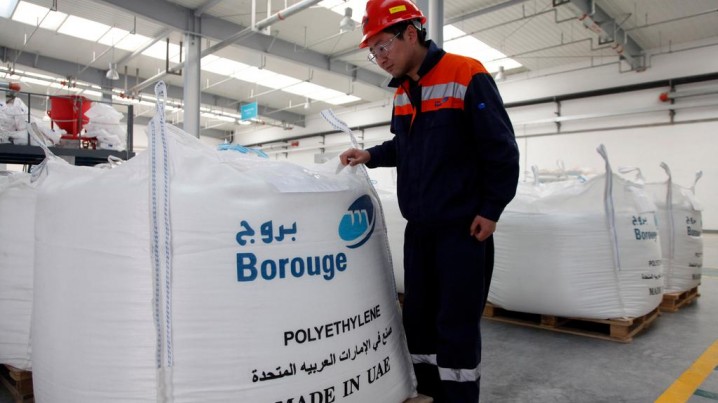
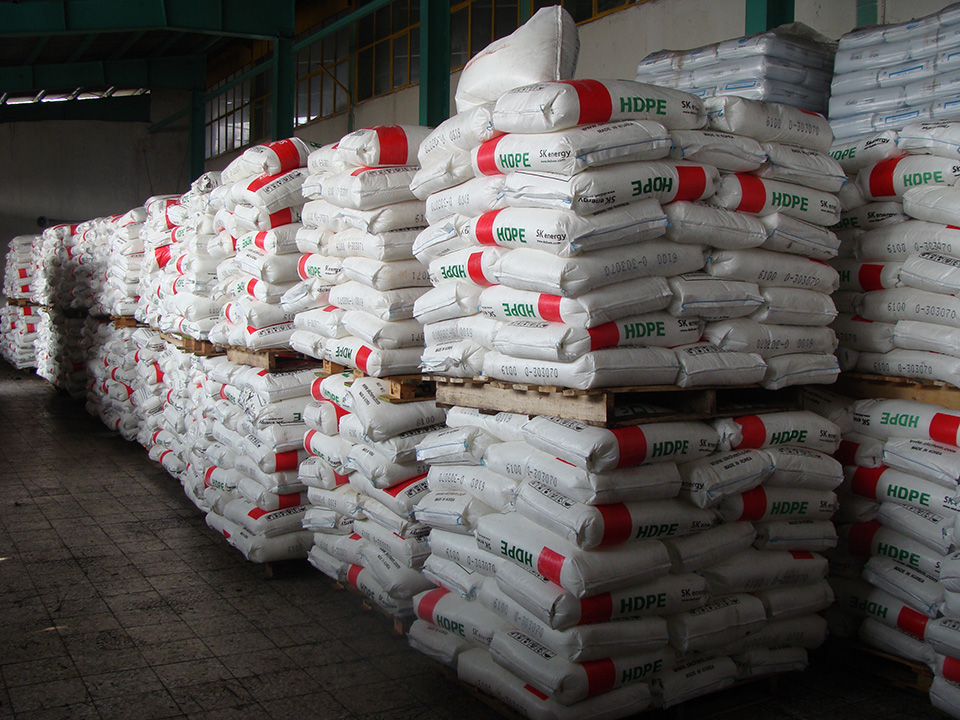
The decrease in the base price of petrochemical products also included pipe-grade polyethylene, and we witnessed a decrease of approximately in the two grades of PE80 and PE100.
On the other hand, in recent weeks, the amount of registered demands has approached more reasonable numbers and we no longer see demands with heavy 4-digit numbers for limited petrochemical supplies. For example, in the second week of September, for 5,508 tons of pipe-grade polyethylene, all of which were supplied in advance, a demand of 15,370 tons was registered on the commodity exchange. Looking at the statistics of pipe-grade polyethylene in the second week of November, we see that against the supply of 2,612 tons of this product, which is a very small number for this high-consumption grade, a demand of 2,524 tons was registered on the commodity exchange!
What is more interesting is that Jam Baghibati Petrochemical, which was a supplier of pipe grade polyethylene for a month, in the second week of November, while it brought 1,452 tons of CRP100N polyethylene to the commodity exchange, ultimately sold 88 tons of its product in the matching market. Perhaps this petrochemical company expected to be greeted with a red carpet and welcomed by customers!
But this trend continues to decline and last week, due to two important motivating factors, namely the adequate supply and a decrease of almost 10% in prices, more than 6500 tons of polyethylene pipe grade were supplied, of which 1232 tons of CRP100N from Jam and Maroon petrochemicals did not make it to the customers’ shopping carts. Another interesting point is that out of the total four petrochemicals supplying this grade, namely Amirkabir, Jam, Maroon and Shazand, only CRP100B from Shazand experienced competition of 10% and the final price of other petrochemicals was exactly in line with the base prices!
By looking at statistics and comparing the two numbers of supply and demand, and considering the limited supplies on November 9 and the adequate supplies on November 15, i.e. the last two weeks, we find that our relative balance between supply and demand numbers has prevailed, and even the reluctance of high-spending customers who criticize this grade to purchase raw materials has caused the demand level to be lower than the supply level.
The issue of supply and demand must be analyzed and reviewed separately, because although these two issues are seriously affected by each other, these days, due to the instability of the economic situation and especially the drastic increase in the exchange rate and the hasty decisions of the authorities, all equations have been disrupted.
First, let’s look at supply. Experts in the complementary industries believed that the issue of not complying with the supply floor was due to several factors, one of which was the dissatisfaction of petrochemical units with the base price of petrochemical products, which was calculated based on the currency of 4200 Tomans, and the 5-10% competition ceiling for products also caused the final number of rials of competition to not exceed more than 2000 Tomans in the most optimistic case. On the other hand, in the open market, the same products were sold by brokers at multiples of the final price of the commodity exchange. Naturally, in this midst, the only victims of this field war were the real producers of complementary industries, who on the one hand did not get any materials on the commodity exchange, and on the other hand were forced to procure materials in the open market at exorbitant prices.
In order to save their members from the prevailing situation, the supplementary industry associations, by approving the proposed clauses of the Chamber of Commerce that had been submitted to the Ministry of Industry, agreed to change the calculation rate for the sale of petrochemical materials on the Commodity Exchange from the equivalent of 42,000 rials per dollar to the secondary market rate, provided that all clauses were observed, and they also accepted the removal of the price competition ceiling on the Commodity Exchange to prevent the formation of a new rent in the supply of petrochemical products. The minimum income of the supplementary industry units from these two clauses was to reduce the incentive of speculators, which, by encouraging petrochemical companies to supply materials, would cause prices to be equalized on the Commodity Exchange and the free market. On the other hand, changing the feed rate of petrochemical units from the equivalent of 38,000 rials per dollar to the secondary market rate, which was one of the clauses proposed by the Chamber, would reduce the monopoly of petrochemical companies and their wasteful spending to some extent.
But what has been neglected in the meantime is the lack of leverage for petrochemicals to comply with supply ceilings, which the downstream industries have always suffered from, and this vacuum has still provided petrochemicals with a space that they can use to engineer the supply of grades and raise the final price as much as possible, with the help of the lack of a ceiling on competition in the commodity exchange.
And as for demand! At the beginning of this category, it is necessary to recall that about 8,000 industrial units are active in the downstream industries sector, and they always need materials to move the production cycle, and they are forced to supply their consumables at any cost!
But what hurts the downstream industry producer is not only the supply of raw materials at sky-high prices, but also the difficulty of the sales mechanism of products and the loss of competitiveness in foreign markets. On the other hand, the consequences of this inflation will also affect the producer in the domestic market.
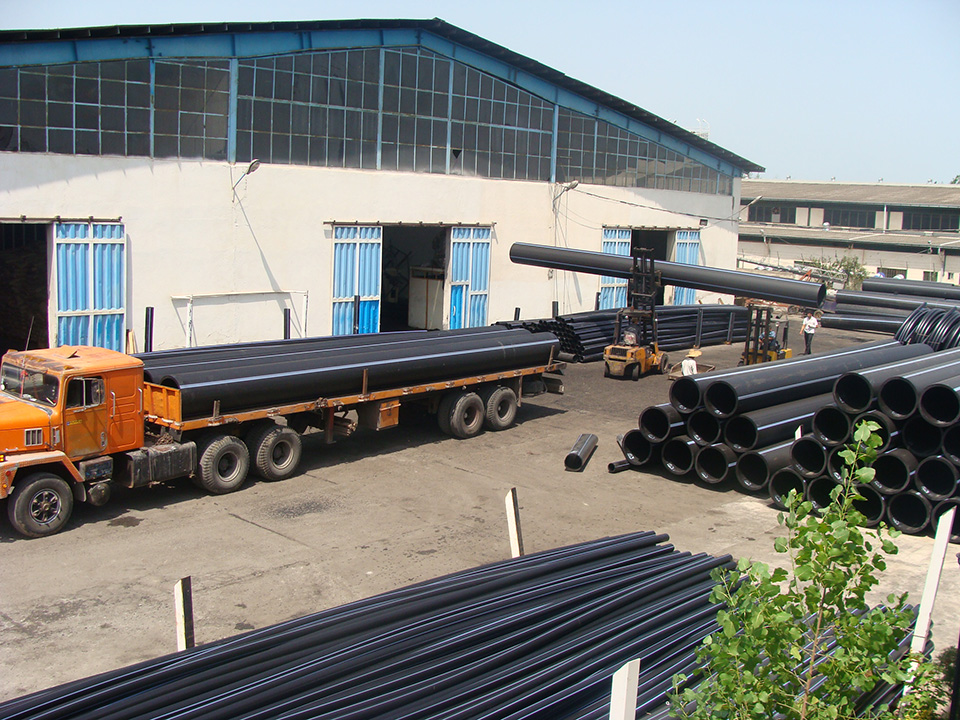
For example, polyethylene pipe and fitting manufacturers, most of whom are active in national projects such as tropical projects and transboundary river diversions, are facing severe fluctuations in raw material prices and shortages of raw materials.




Leave a Reply
Want to join the discussion?Feel free to contribute!