Tag Archive for: پایپ اتیلن،Pipe ethylene

Quality control tests on raw materials and polyethylene pipes

The raw materials for polyethylene pipe production, whether polyethylene or masterbatch, are tested before use and after approval, are used in pipe production:

1- Raw material tests

1-1- MFR test

Polyethylene granules in accordance with ISO 9680-1 must be tested at a temperature of 190 degrees Celsius and a weight of 5 kg. After filling the device with about 3 grams of material, the material is preheated for 4 minutes and then the test is started. The device automatically cuts every two minutes. Since the MFR test result is reported as (gr/10min), the weight of 5 cuts from the device output will indicate the MFR value.

The permissible value in the INSO 14427 standard is reported to be between 0.15 and 0.7 g/10 minutes, and no distinction is made between the values ​​of PE100 and PE80 materials, but this value is desirable when it is between 0.15 and 0.23 for PE100 materials.

1-2- OIT test

Polyethylene granules in accordance with the national standard 6-7186 must be tested at a temperature of 200 degrees Celsius for 20 minutes under the blowing of oxygen gas. During this period, polyethylene should not undergo thermal degradation and oxidation. Although the thermal stability value is reported to be 20 minutes, this test is performed for more than one hour in the Pasargad Pipe Laboratory to obtain more information about the quality of the raw materials.

1-3- Density test

The density of polyethylene granules is also examined in accordance with the national standard 1-7090. The permissible value according to the INSO 14427 standard is greater than 0.941 g/cm3.

1-4- Soot percentage test

If the raw materials are self-colored, a soot percentage test is performed on the raw materials in accordance with the ISO6964 standard. In this test, 1 gram of the material is burned inside the furnace at a temperature of 10 minutes at 350 degrees Celsius, 10 minutes at 450 degrees and 30 minutes at 550 degrees Celsius under high purity nitrogen gas to determine the percentage of black carbon (soot). The permissible value according to the INSO 14427 standard is between 2 and 2.5 percent.

1-5- Soot dispersion test

Similar to section 1-1-4, if self-colored materials enter the factory, the soot dispersion rate of the raw materials is measured in accordance with the ISO 18553 standard. In this test, the degree of dispersion is determined by preparing thin films of the material and examining it with a microscope. The permissible value according to the INSO14427 standard is reported to be less than or equal to 3.

1-6- ESCR test

This test must be performed by the raw material manufacturer and stated in the raw material datasheet.

2- Tests related to polyethylene pipes

2-1- MFR test

Polyethylene pipes according to the ISO 9680-1 standard must be tested at a temperature of 190 degrees Celsius and a weight of 5 kg. After filling the device with about 3 grams of material (the pipe is cut into cubes), the material is preheated for 4 minutes and then the test is started. The device automatically cuts every two minutes. Since the MFR test result is reported as (gr/10min), the weight of 5 cuts from the device output will indicate the MFR value.

It is noteworthy that the MFR value of the pipe should not differ from the MFR of the raw materials by more than 20%.

In accordance with the INSO14427 standard, in multilayer pipes, the MFR test must be performed on each layer separately and the results recorded for each layer.

2-2- OIT test

Polyethylene pipes in accordance with the national standard 7186-6 must be tested at a temperature of 200 degrees Celsius for 20 minutes under oxygen gas blowing. During this period, the pipe should not undergo thermal degradation and oxidation.

In accordance with the INSO14427 standard, in multilayer pipes, the OIT test must be performed on each layer separately and the results recorded for each layer.

2-3- Density test

The density of polyethylene granules is also examined in accordance with the national standard 7090-1. The permissible amount according to the INSO 14427 standard is greater than 0.941 g/cm3.

2-4- Soot percentage test

The permissible amount of soot in polyethylene pipes according to the INSO 1442 standard is between 2 and 2.5%. The test is carried out according to the method of paragraph 1-4. Currently, due to the lack of use of self-coloring materials and the use of masterbatches to provide soot in the pipe, this amount is highly dependent on the complete mixing of the materials by the fine materials.

2-5- Soot dispersion

According to the ISO 18553 standard, the amount of soot dispersion of the raw materials is measured. In this test, the degree of dispersion is determined by preparing thin films from 6 different points of the pipe and examining it with a microscope. The permissible amount according to the INSO14427 standard is reported to be less than or equal to 3.

2-6- Tensile test

To perform the tensile test, samples are first cut by CNC machine depending on the thickness.

Pipes with a thickness of up to 5 mm are called Type 2, samples with a thickness of more than 5 mm are called Type 1, and samples with a thickness of more than 12 mm are called Type 3.

After placing the samples in the two jaws of the tensile machine, the samples are stretched at a certain speed. According to the INSO 14427 standard, the elongation before rupture of the sample must be more than 350%.

2-7- Hydrostatic pressure test

Polyethylene pipes according to the national standard 1-12181 must withstand a certain pressure for a certain period of time and temperature.

This test is performed for either 100 hours at 20 degrees Celsius or 165 hours at 80 degrees Celsius or 1000 hours at 20 degrees Celsius and for each given pipe, the applied pressure is calculated according to the following formula.

emin  Minimum thickness

dem  Pipe diameter

σ  Stress value

Pipe type Test stress in MPa

100 hours at 20 degrees Celsius 165 hours at 80 degrees Celsius 1000 hours at 80 degrees Celsius

PE 100 12.4 5.5 5

PE 80 9 4.6 4

PE 63 8
Review of foreign exchange delivery from the sale of petrochemical products

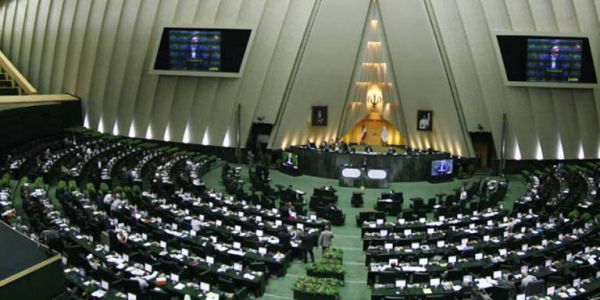
The spokesman for the Energy Commission of the Parliament explained the meeting of his committee on examining the transfer of foreign exchange from the sale of petrochemical products.

In explaining the meeting of the Energy Commission of the Islamic Consultative Assembly on Sunday, Asadollah Qarakhani said: A report has been prepared on the method of transferring the Kermanshah refinery, and a number of representatives have raised questions about this report and believe that this report should be more complete and its hidden aspects should be clarified.

The spokesman for the Energy Commission of the Islamic Consultative Assembly added: It was decided to refer a complete and comprehensive report to the public forum so that if there is to be a comment from representatives, a decision can be made after clarifying all aspects.

Petrochemicals stated that they have foreign exchange debts

Stating that the second agenda of the committee was about the transfer of foreign exchange from the sale of petrochemical products, he continued: There were buts and ifs regarding the transfer of foreign exchange, and officials from Persian Gulf Holding, Tapico and Ghadir were invited to today’s meeting of the committee and stated that since there was no clear policy at the beginning, it was not possible to take action.

People’s Representative Ali Abadkatul in the Islamic Consultative Assembly stated: Petrochemical managers stated that since the Central Bank’s directive was specified and determined that petrochemical currency should be placed in the NIMA system, based on initial estimates, the currency has been completely transferred to the NIMA system.

The spokesman for the Energy Commission of the Islamic Consultative Assembly stated that petrochemical companies stated that they had expenses in the field of export and return of currency and had foreign currency debts, and clarified: In this meeting, petrochemical companies raised their problems and stated that the desired currency should be taken into account for the purchase of products and equipment.

Source: Khaneh Mellat

10% reduction in base price of petrochemical products

Last week, the base prices of petrochemical products were announced with a significant decrease compared to the second week of November, and the only reason for this was the 19.8% decrease in the half-price exchange rate that is applied in the calculations of the base price of petrochemical products.

According to the Public Relations Report of the Polyethylene Pipe and Fittings Manufacturers Association, last week, the base prices of petrochemical products were announced with a significant decrease compared to the second week of November, and the only reason for this was the 19.8% decrease in the half-price exchange rate that is applied in the calculations of the base price of petrochemical products.

The decrease in the base price of petrochemical products also included pipe-grade polyethylene, and we witnessed a decrease of approximately in the two grades of PE80 and PE100.

On the other hand, in recent weeks, the amount of registered demands has approached more reasonable numbers and we no longer see demands with heavy 4-digit numbers for limited petrochemical supplies. For example, in the second week of September, for 5,508 tons of pipe-grade polyethylene, all of which were supplied in advance, a demand of 15,370 tons was registered on the commodity exchange. Looking at the statistics of pipe-grade polyethylene in the second week of November, we see that against the supply of 2,612 tons of this product, which is a very small number for this high-consumption grade, a demand of 2,524 tons was registered on the commodity exchange!
What is more interesting is that Jam Baghibati Petrochemical, which was a supplier of pipe grade polyethylene for a month, in the second week of November, while it brought 1,452 tons of CRP100N polyethylene to the commodity exchange, ultimately sold 88 tons of its product in the matching market. Perhaps this petrochemical company expected to be greeted with a red carpet and welcomed by customers!

But this trend continues to decline and last week, due to two important motivating factors, namely the adequate supply and a decrease of almost 10% in prices, more than 6500 tons of polyethylene pipe grade were supplied, of which 1232 tons of CRP100N from Jam and Maroon petrochemicals did not make it to the customers’ shopping carts. Another interesting point is that out of the total four petrochemicals supplying this grade, namely Amirkabir, Jam, Maroon and Shazand, only CRP100B from Shazand experienced competition of 10% and the final price of other petrochemicals was exactly in line with the base prices!

By looking at statistics and comparing the two numbers of supply and demand, and considering the limited supplies on November 9 and the adequate supplies on November 15, i.e. the last two weeks, we find that our relative balance between supply and demand numbers has prevailed, and even the reluctance of high-spending customers who criticize this grade to purchase raw materials has caused the demand level to be lower than the supply level.

The issue of supply and demand must be analyzed and reviewed separately, because although these two issues are seriously affected by each other, these days, due to the instability of the economic situation and especially the drastic increase in the exchange rate and the hasty decisions of the authorities, all equations have been disrupted.

First, let’s look at supply. Experts in the complementary industries believed that the issue of not complying with the supply floor was due to several factors, one of which was the dissatisfaction of petrochemical units with the base price of petrochemical products, which was calculated based on the currency of 4200 Tomans, and the 5-10% competition ceiling for products also caused the final number of rials of competition to not exceed more than 2000 Tomans in the most optimistic case. On the other hand, in the open market, the same products were sold by brokers at multiples of the final price of the commodity exchange. Naturally, in this midst, the only victims of this field war were the real producers of complementary industries, who on the one hand did not get any materials on the commodity exchange, and on the other hand were forced to procure materials in the open market at exorbitant prices.

In order to save their members from the prevailing situation, the supplementary industry associations, by approving the proposed clauses of the Chamber of Commerce that had been submitted to the Ministry of Industry, agreed to change the calculation rate for the sale of petrochemical materials on the Commodity Exchange from the equivalent of 42,000 rials per dollar to the secondary market rate, provided that all clauses were observed, and they also accepted the removal of the price competition ceiling on the Commodity Exchange to prevent the formation of a new rent in the supply of petrochemical products. The minimum income of the supplementary industry units from these two clauses was to reduce the incentive of speculators, which, by encouraging petrochemical companies to supply materials, would cause prices to be equalized on the Commodity Exchange and the free market. On the other hand, changing the feed rate of petrochemical units from the equivalent of 38,000 rials per dollar to the secondary market rate, which was one of the clauses proposed by the Chamber, would reduce the monopoly of petrochemical companies and their wasteful spending to some extent.

But what has been neglected in the meantime is the lack of leverage for petrochemicals to comply with supply ceilings, which the downstream industries have always suffered from, and this vacuum has still provided petrochemicals with a space that they can use to engineer the supply of grades and raise the final price as much as possible, with the help of the lack of a ceiling on competition in the commodity exchange.

And as for demand! At the beginning of this category, it is necessary to recall that about 8,000 industrial units are active in the downstream industries sector, and they always need materials to move the production cycle, and they are forced to supply their consumables at any cost!

But what hurts the downstream industry producer is not only the supply of raw materials at sky-high prices, but also the difficulty of the sales mechanism of products and the loss of competitiveness in foreign markets. On the other hand, the consequences of this inflation will also affect the producer in the domestic market.

For example, polyethylene pipe and fitting manufacturers, most of whom are active in national projects such as tropical projects and transboundary river diversions, are facing severe fluctuations in raw material prices and shortages of raw materials.

Unveiling a new trump card in confronting petrochemical sanctions/ Iran prepared to produce 13 new petrochemical products

According to the Fars News Agency’s economic correspondent, as the countdown to the imposition of illegal US sanctions began and delegations from Saudi Arabia’s SABIC traveled to countries that purchase petrochemical and polymer products to stop buying from Iran, the petrochemical industry found a new trump card to counter the sanctions.

One of the most important tactics for countering sanctions in the petrochemical market is to diversify the production portfolio of polymer products, so that the more diverse products are produced and supplied in the petrochemical industry, the more bargaining power for marketing, selling, and exporting products increases.

In this regard, for the first time in Iran’s petrochemical industry, by breaking the monopoly of some European and American companies, including the Italian company Versalis, it has become possible to produce 13 new grades of polymer products. By producing these products, in addition to meeting the needs of domestic complementary industries and obtaining greater added value, it has also provided the basis for developing export markets.

Accordingly, thanks to the efforts of Iranian experts and the acquisition of local technical knowledge, it has been possible to produce 13 new and exclusive grades of polymer products with linear light polyethylene, heavy polyethylene and polypropylene feedstock in the country’s petrochemical industry.

Strategic and special grades such as three-layer film grades, rotational molding, yarn and fibers, three types of grades for drip irrigation and high-transparency film grades, bumper and car tank grades have been provided at Jam Petrochemical Company.

Seyed Hossein Mirafazli, CEO of Jam Petrochemical Company, referring to the design and production of 13 new grades of polymer products, said: By designing and producing these 13 grades of petrochemical products, the country’s petrochemical industry has gained an added value equivalent to $50 million per year, which if the value chain of these products is completed in the petrochemical complementary industries, a total of $100 million in added value will be achieved annually.

MD-35504 grade polyethylene for the production of water and chemical tanks, MD-3510 polyethylene for the production of drip irrigation tapes, MD-3520 grade polyethylene with for the production of plaque drip irrigation tapes, multilayer films and polyethylene sheets, LL-235F6 grade linear light polyethylene for the production of drip irrigation tapes, packaging, multilayer and agricultural films, LL-235F7 grade linear light polyethylene for the production of polyethylene films and laminated packaging, LL-HP-18XF5 grade polyethylene film and food packaging grade, CC-52502 grade bottle caps, HD-5000S grade heavy polyethylene for the production of monofilament fibers, heavy polyethylene tank grade for the production of car tanks and PP EP3130UV grade polypropylene for the production of car bumpers are new products entering the production basket of the country’s petrochemical industry. They are leaving.

* Iran is ready to produce 13 new petrochemical products to Europe

According to Fars, the most important advantage of producing new polymer products at Jam Petrochemical, along with diversifying the production portfolio, is exporting to new European and Asian markets, so that for the first time Iran is ready to export 13 new polymer products to Asian markets, especially European ones.

Saeed Shirdel, Commercial Director of Jam Petrochemical, stated that the hourly production capacity of more than 1,060 tons of new polymer products has been provided in this petrochemical complex, and said: With the needs assessment, 40 percent of the new products produced will be sold in the domestic market and the rest will be sent to export markets.

The official mentioned Europe as one of the markets where it is possible to export Iran’s new polymer products, and stated: In addition to Europe, countries in the Middle and Central Asia, the Caucasus, Russia, Turkey, India and China are also among the buyer markets of these strategic polymer products.

The production and export of new polymer products in the petrochemical industry, especially on the eve of the return of sanctions and occasional conspiracies by Saudi Arabia in the Iranian oil and petrochemical market, can certainly increase the bargaining power and resilience of the petrochemical industry in the difficult conditions of sanctions.

* Operation of Iran’s first ABS park with the participation of Italians

Along with the production of 13 grades of new polymer products, the country’s first park for the production of rubber and ABS chain products in the petrochemical industry is also ready for operation.

Hossein Safari, Head of International Affairs of Jam Petrochemical, stated that Jam Petrochemical’s rubber production complex is the first and only producer of three SBS, SB and LCBR products in seven widely used grades in the country’s petrochemical industry, and said: The license for this complex was provided by Versalis Company of Italy and the basic engineering of the design was provided by Technimont Company of Italy.

According to him, this project is designed based on the Batch process and capable of producing a wide range of grades, and according to the schedule, this project will be put into operation by the middle of next year. In addition, Jam Petrochemical’s ABS unit is the first and only producer of ABS with new technology in 9 widely used grades based on market demand, which will be launched this year with the license of Versalis and Italian engineering company Tecnimont.

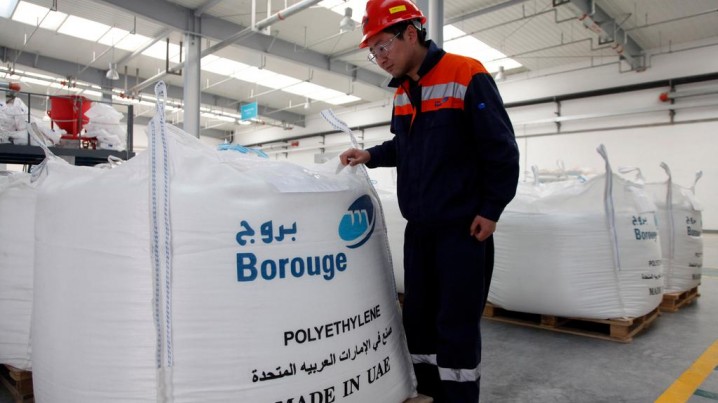
Production of a new family of lightweight linear polyethylene packaging grade Buruj UAE

Borealis and Borouge have announced the launch of a new family of packaging grade linear lightweight polyethylenes, Anteo. The grade offers the global packaging market with benefits such as lower extrusion pressure processing, better sealing integrity and higher puncture resistance.

The two companies have launched the new family of linear lightweight polyethylenes internationally simultaneously in three different cities: Abu Dhabi, UAE; Shanghai, China; and Linz, Austria. This marks the first time in the history of the Borealis-Borouge partnership that a joint product developed in one single location has been launched internationally.

Anteo is also produced using Borealis’ proprietary technology, BBT (Borstar Bimodal Terpolymer). The technology combines smart catalyst design with a two-reactor system and two comonomers.

“This is not a typical product,” said Maurits van Tal, Borealis’ senior vice president of innovation and technology. “This is a breakthrough in molecular engineering, a technology that is not currently available from any other manufacturer.”

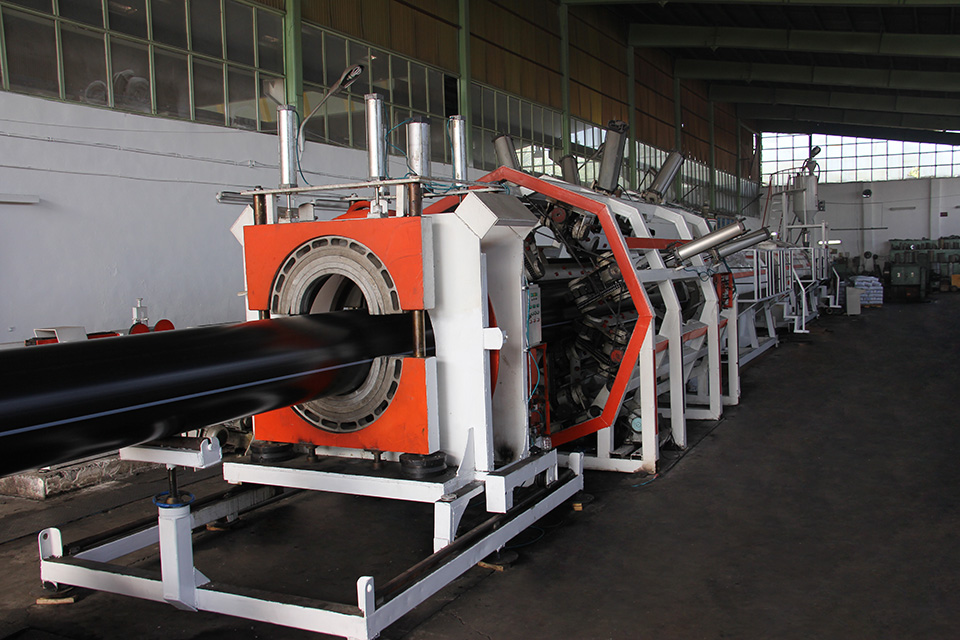
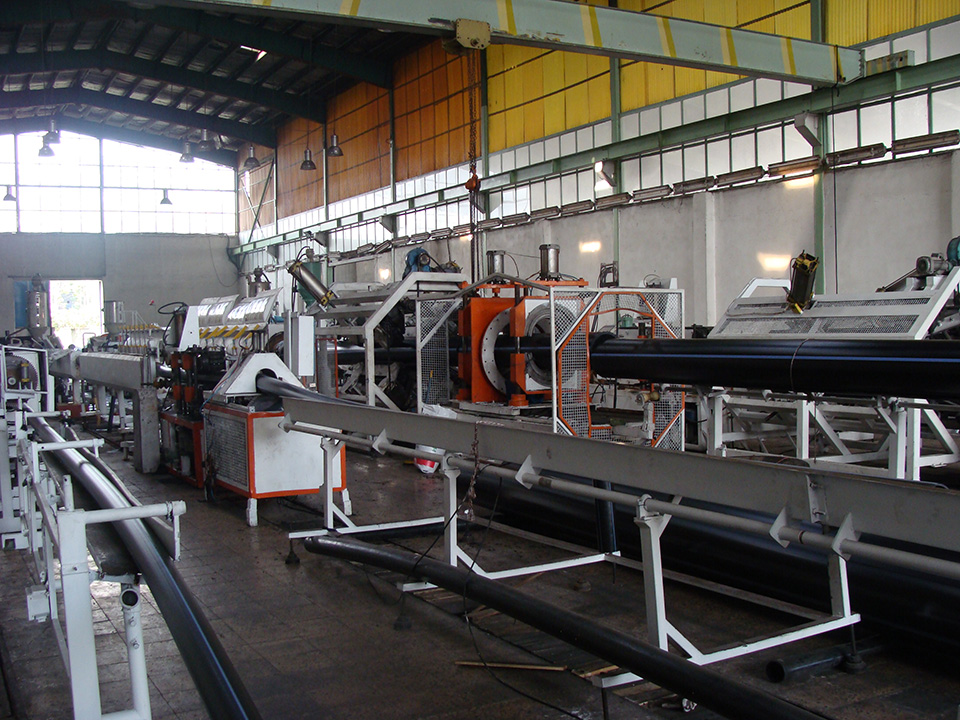
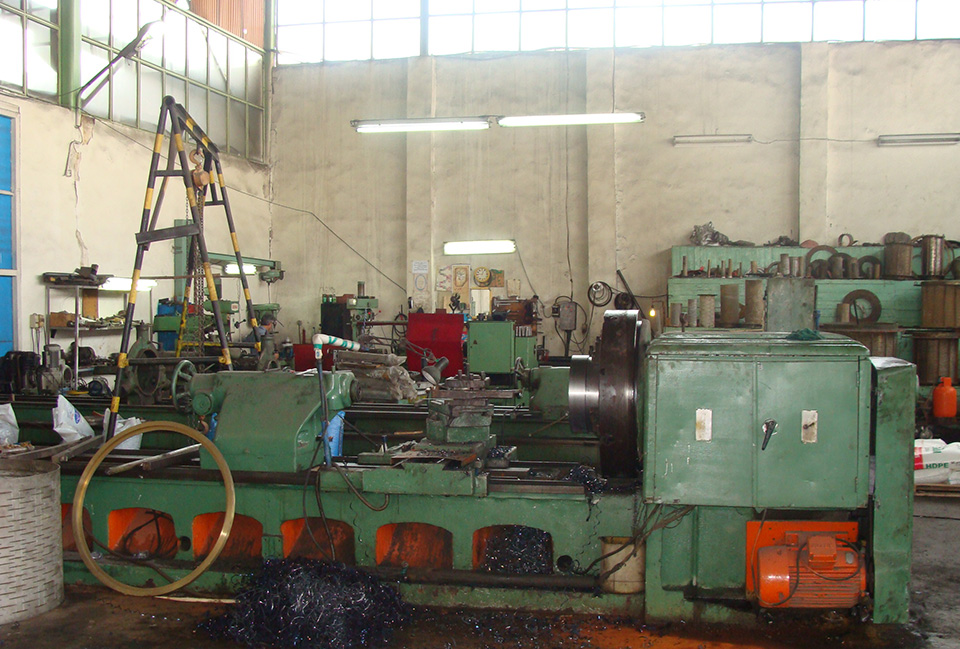
Production level

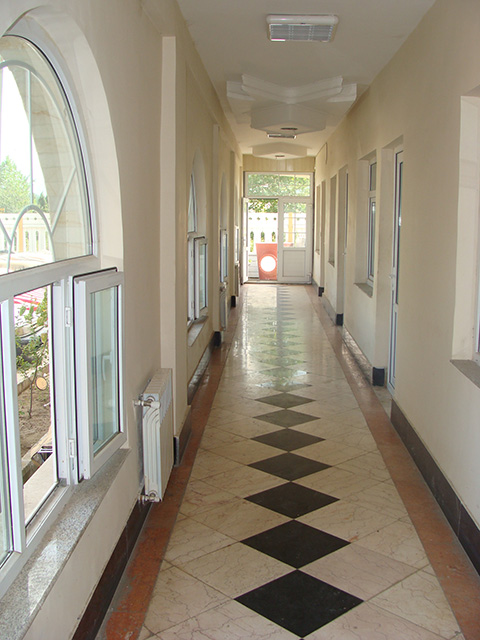
Office building

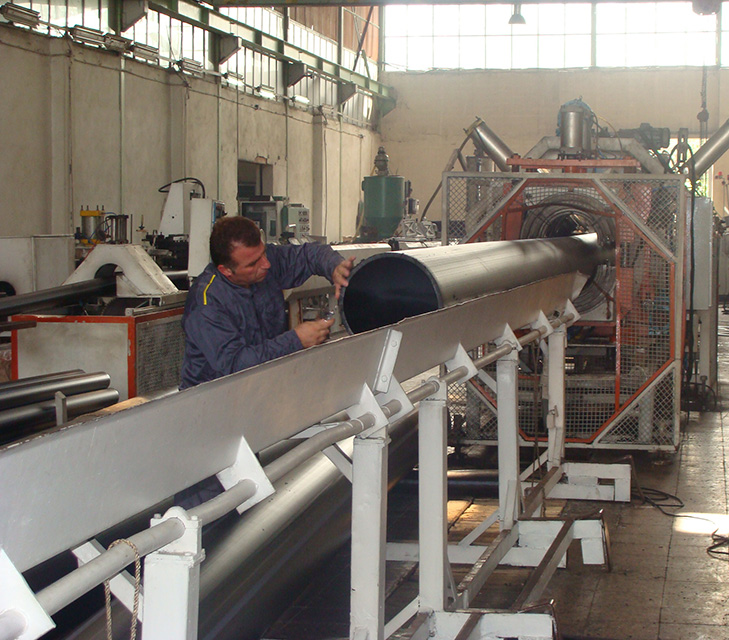
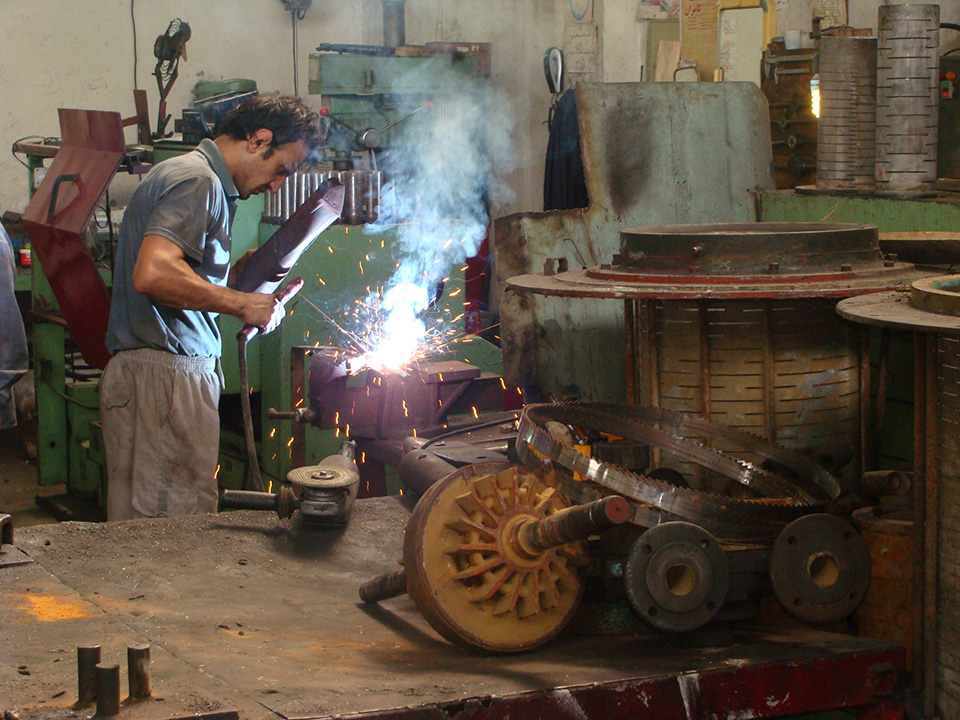
Welding and molding

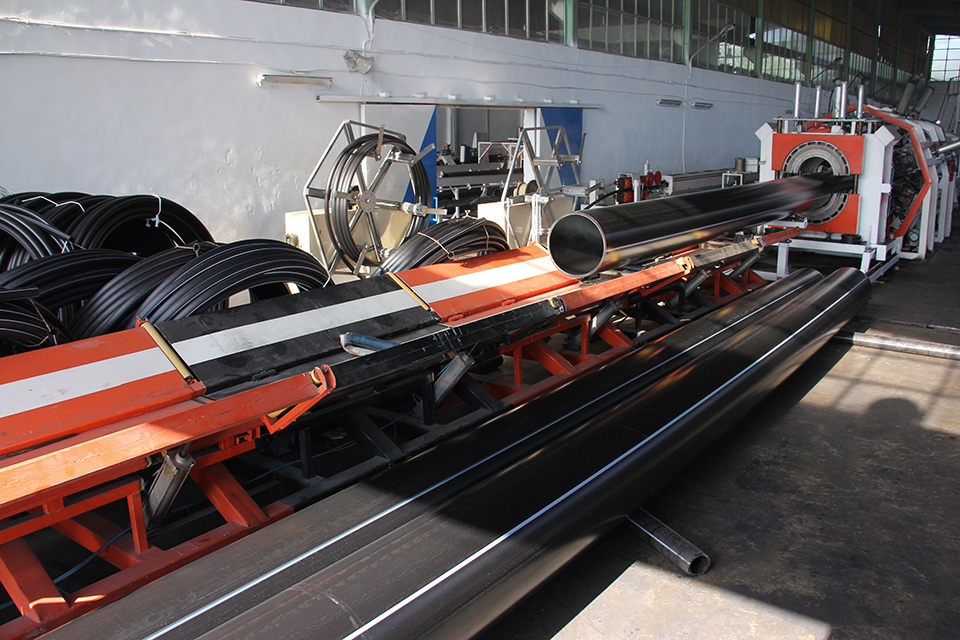
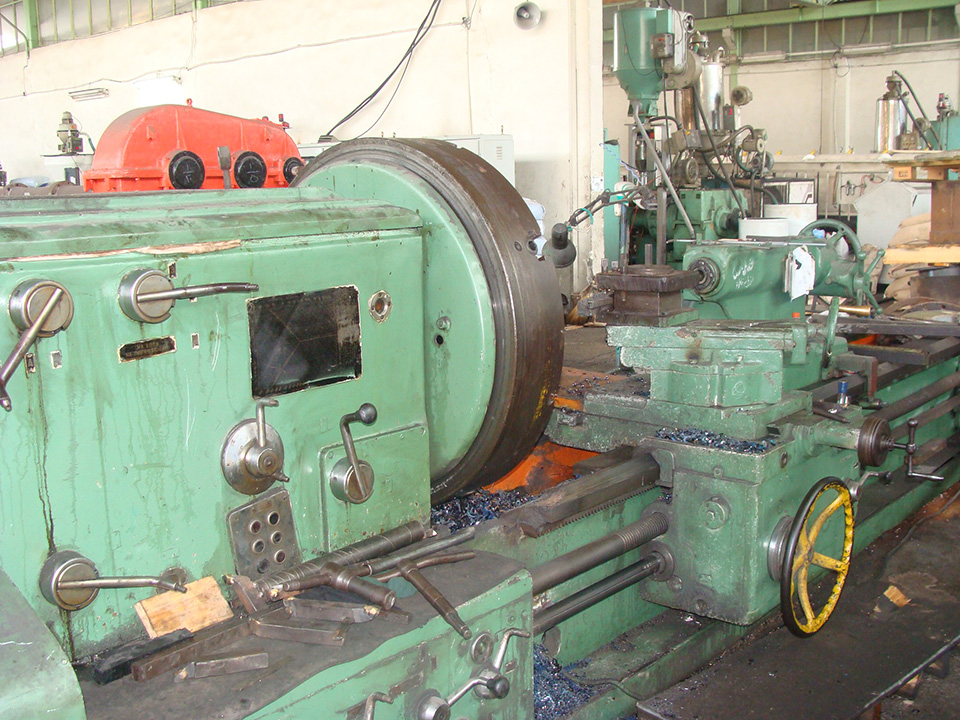
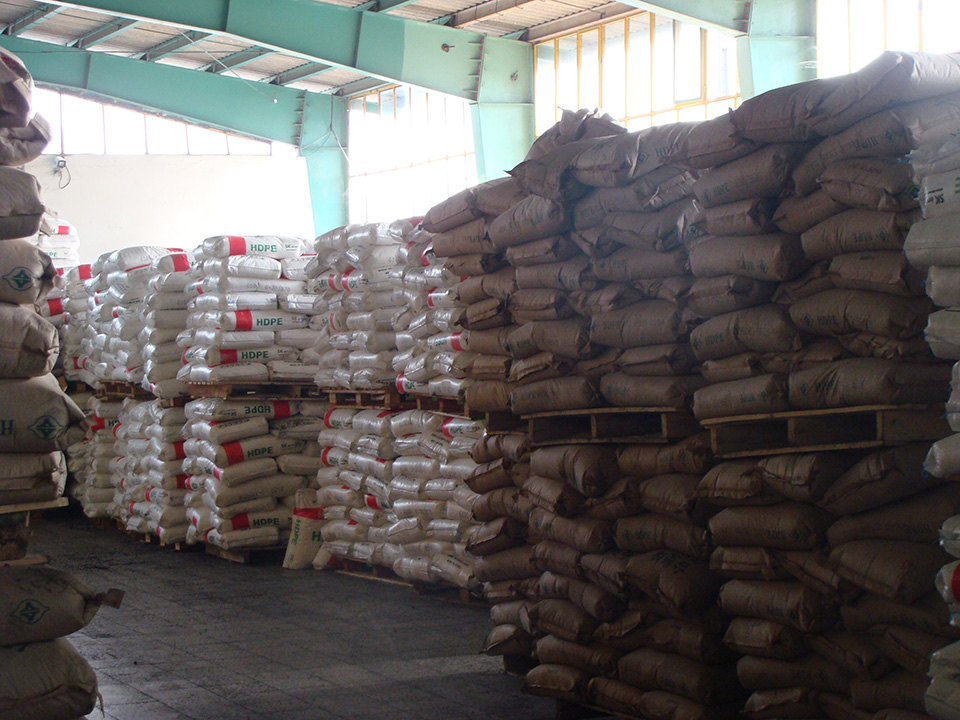
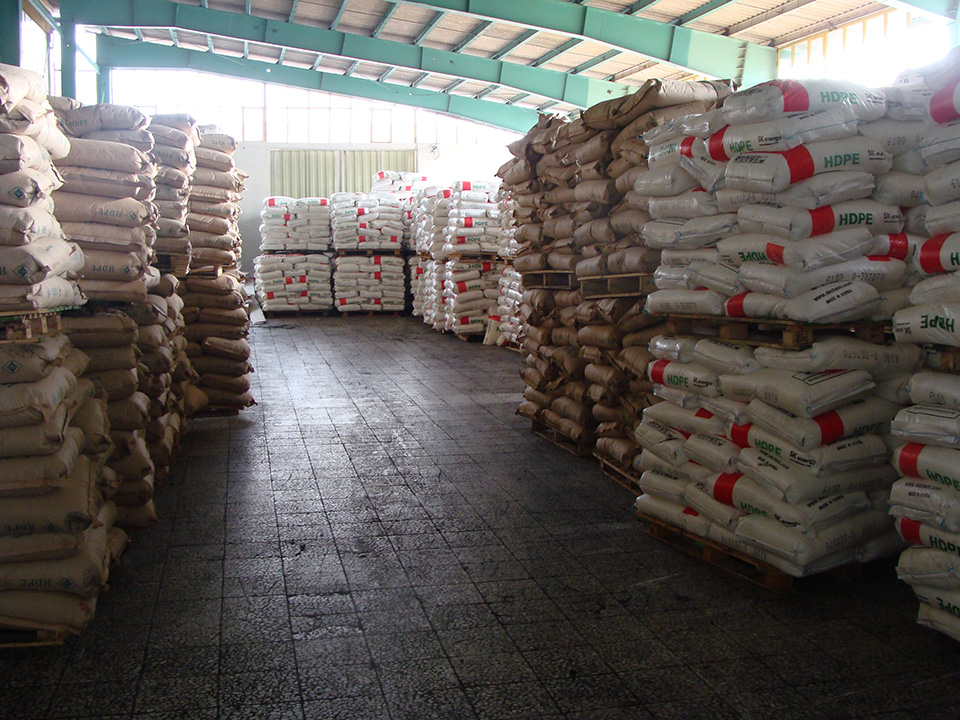
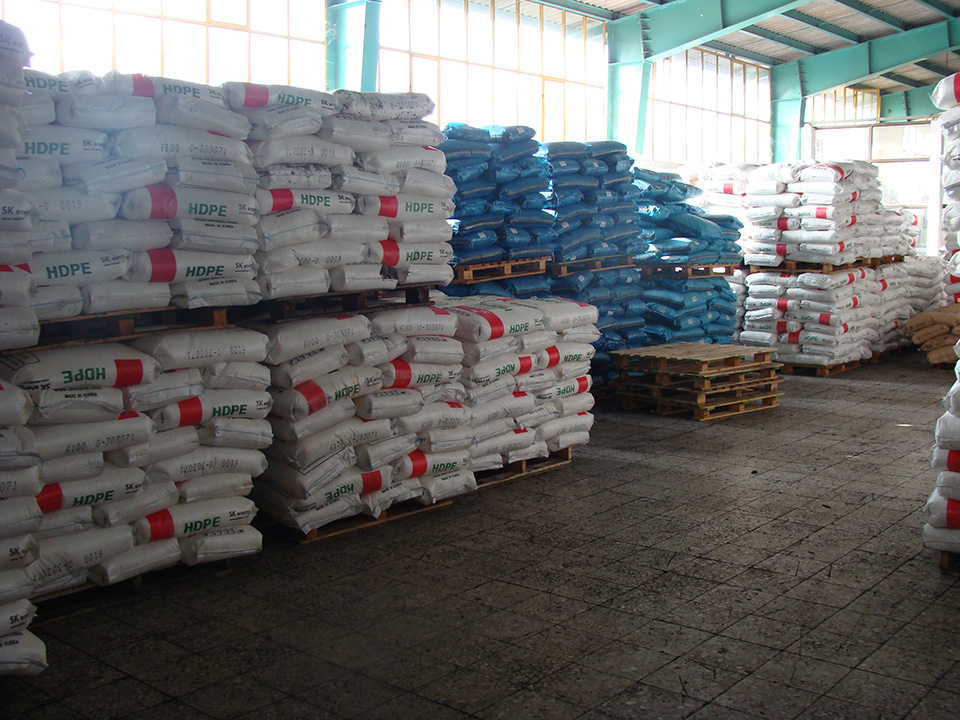
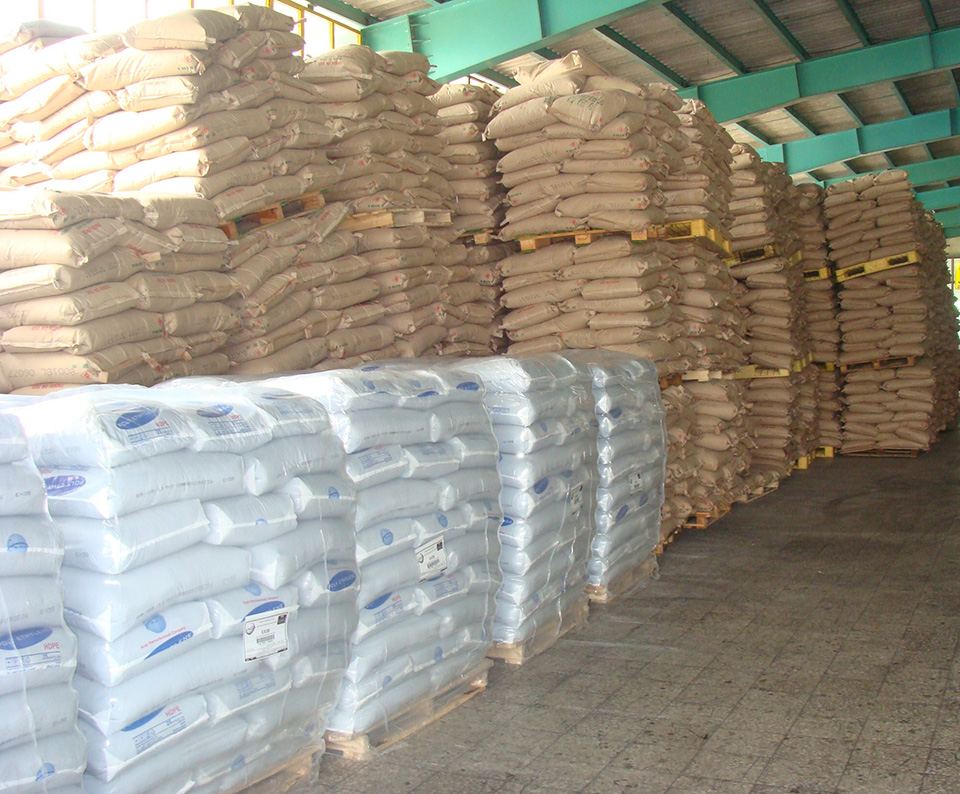
Warehouse