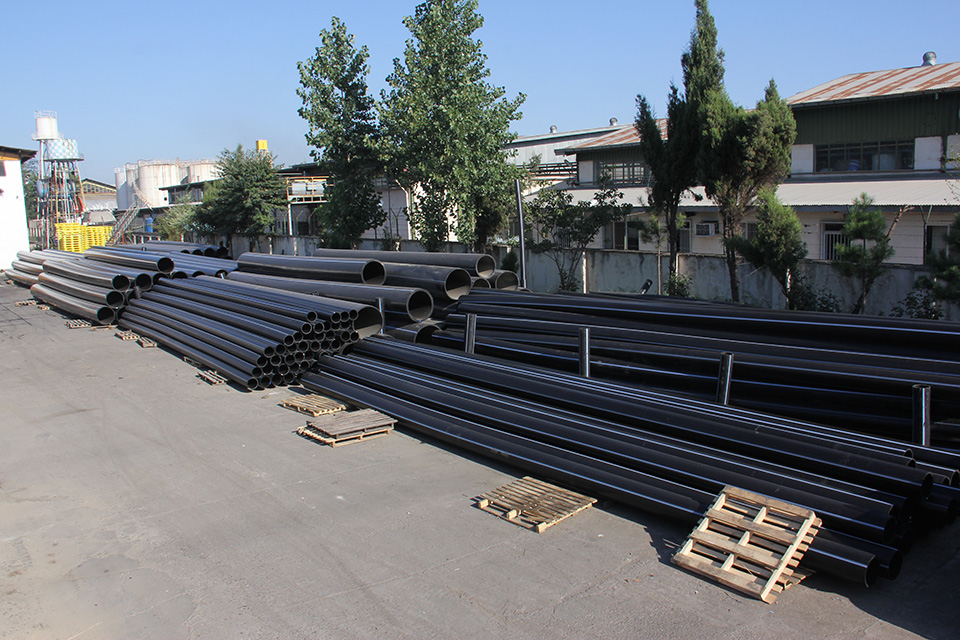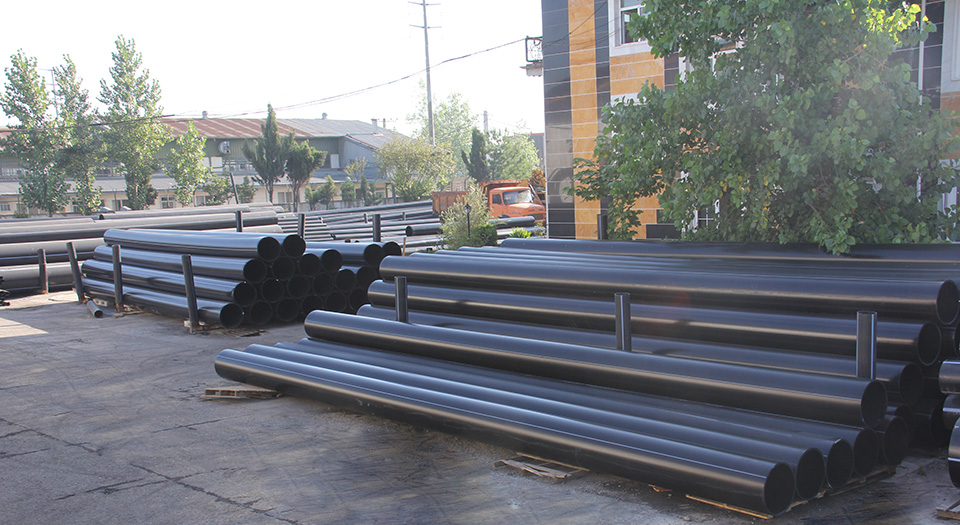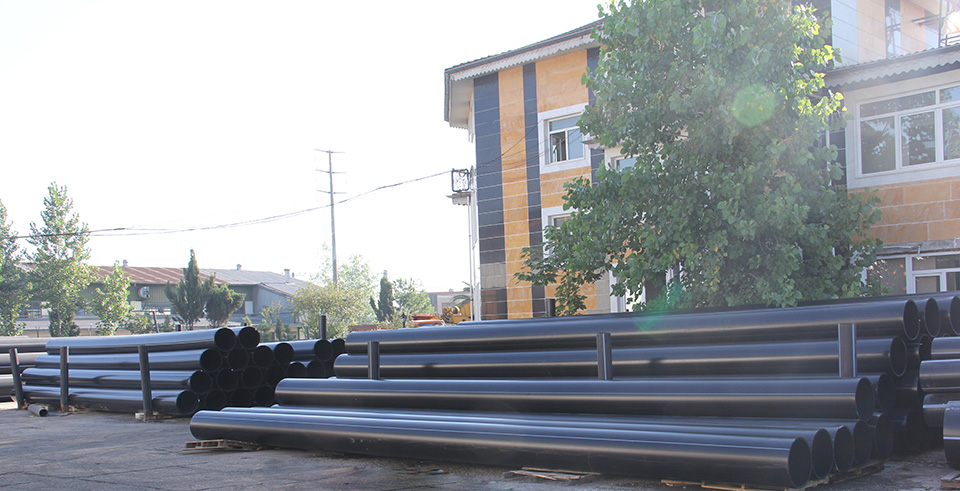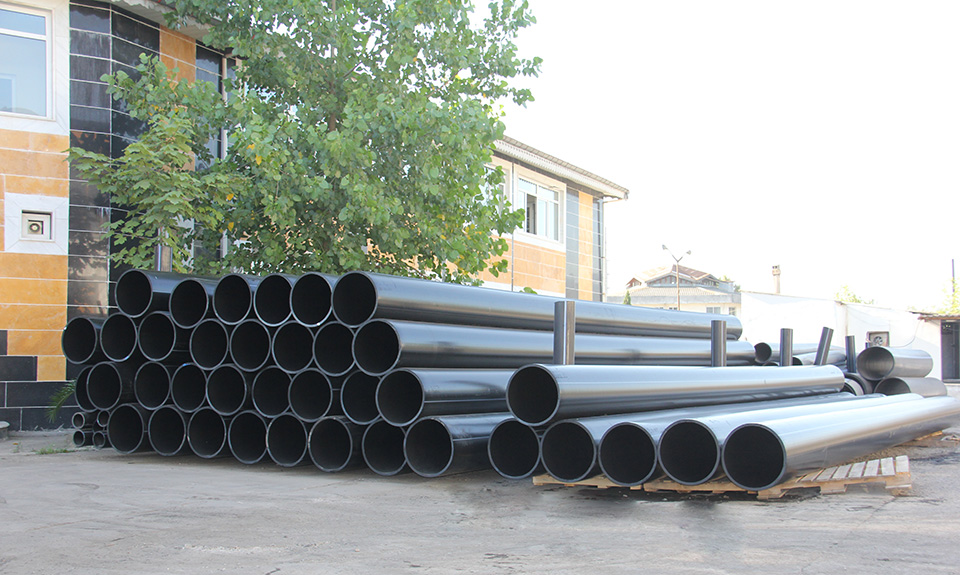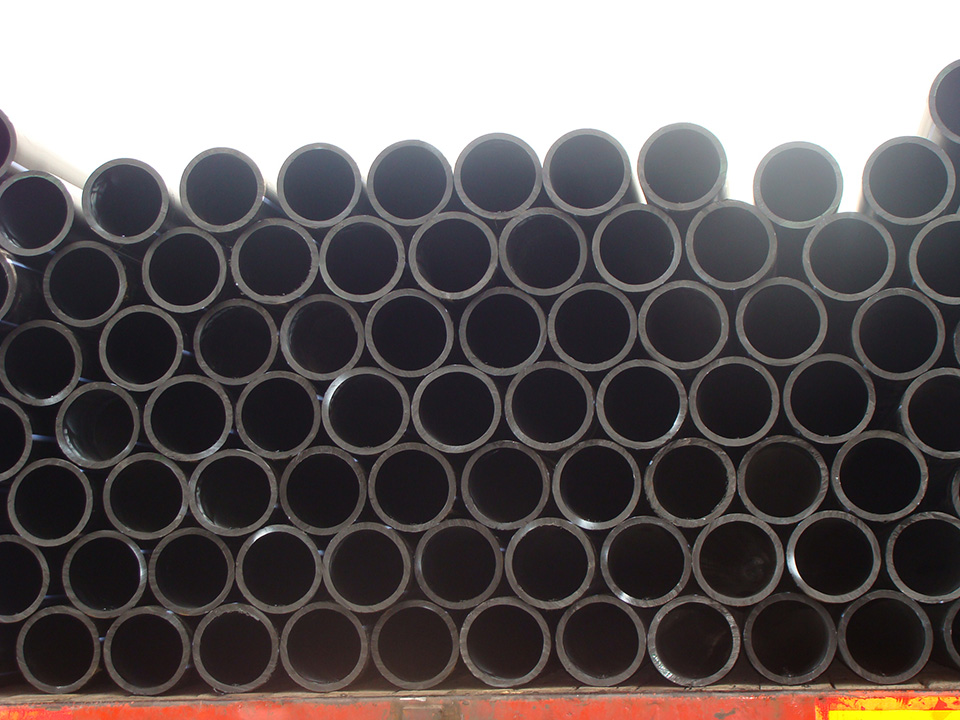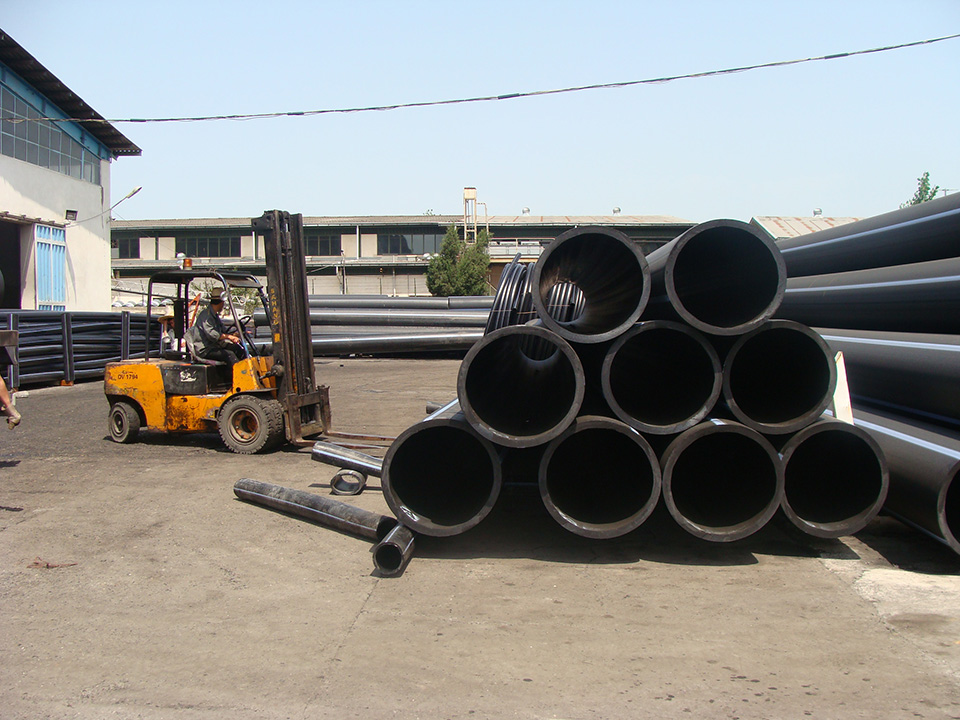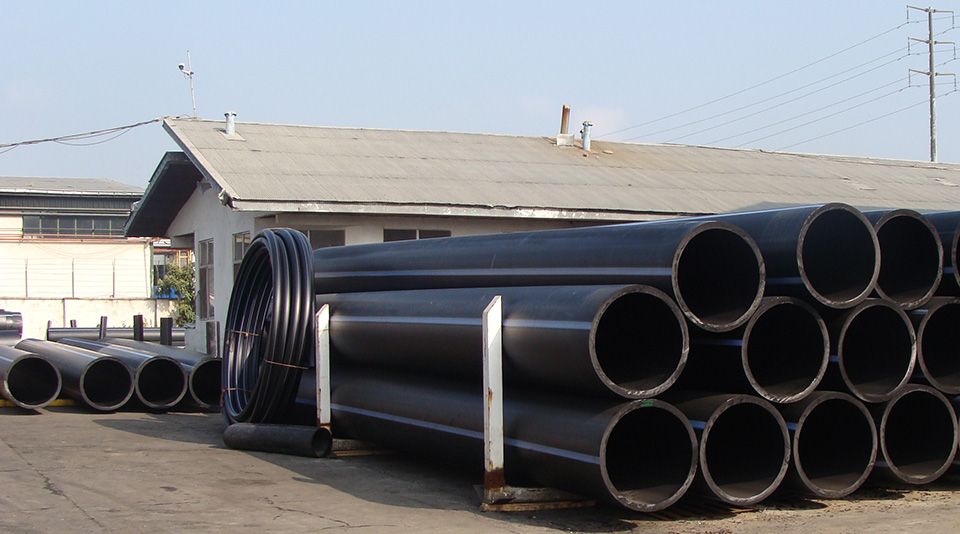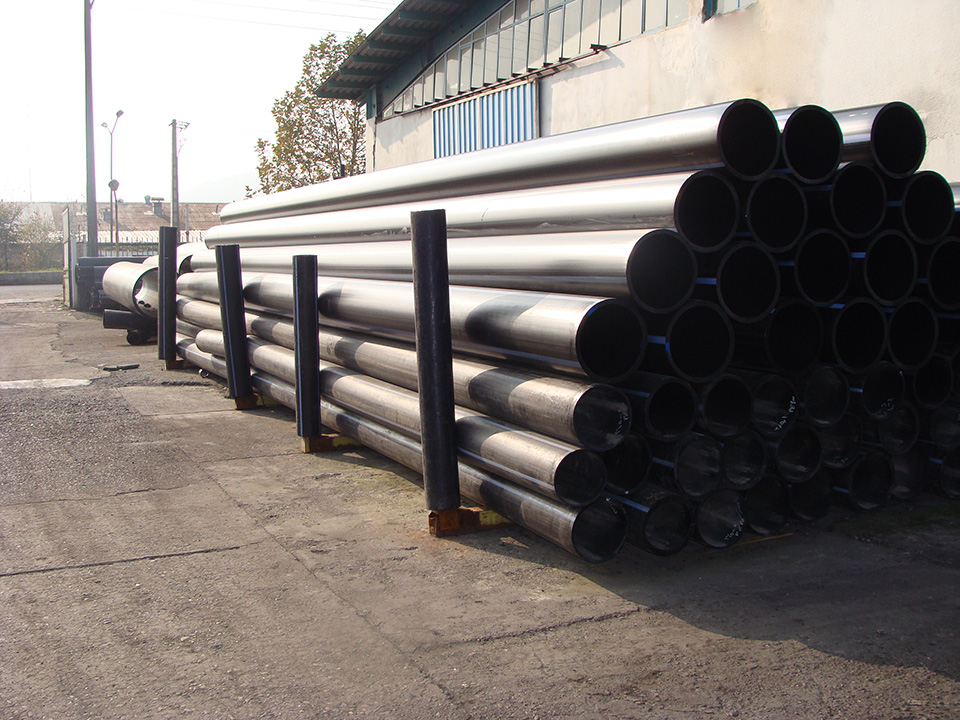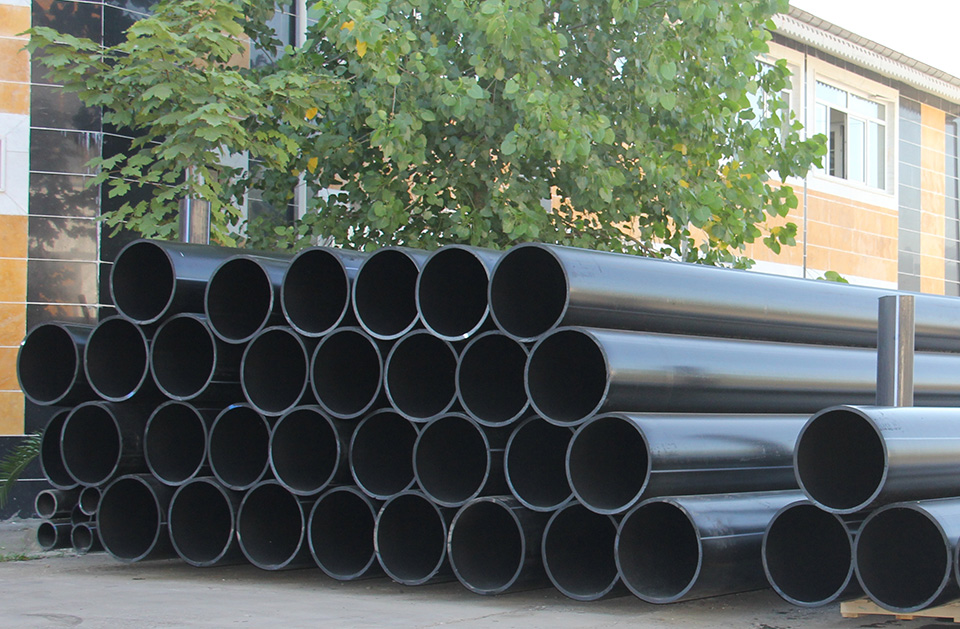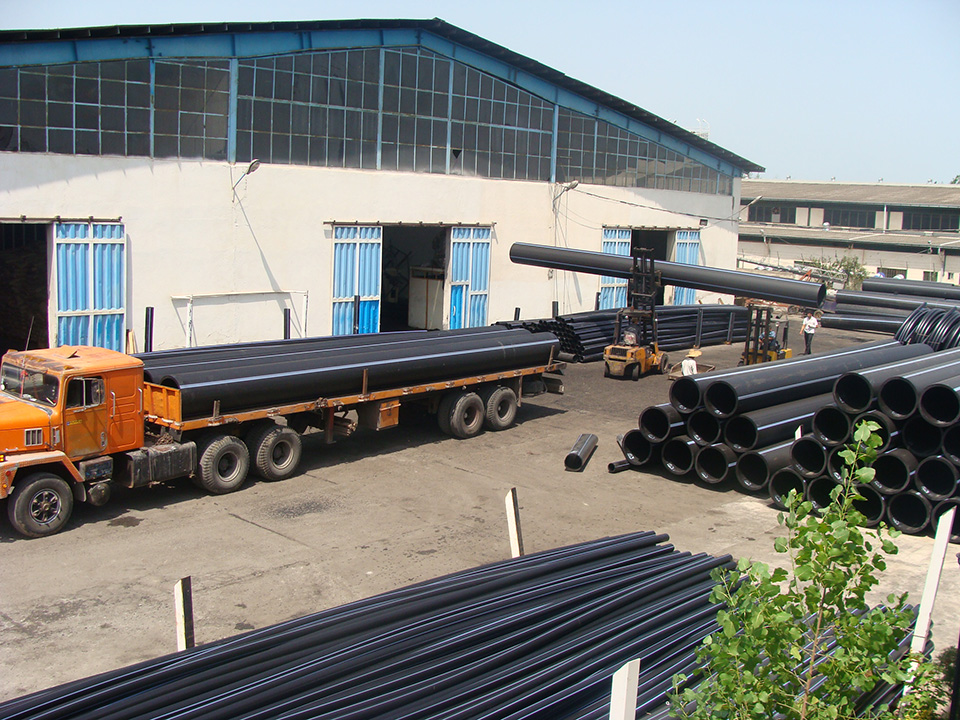

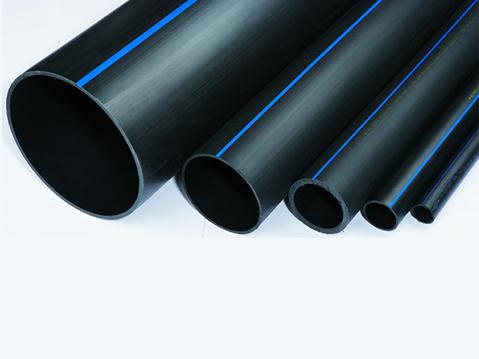
Polyethylene is used to produce and cover various types of pipes in various applications such as drinking water, sewage, gas, heating and plumbing pipes for homes, solid material transfer pipes, drip irrigation, protective pipes (wire and cable and glass fiber passage, etc.).
Polyethylene pipes have been in use for about 40 years, and gradually, with the recognition of the advantages and functions of this pipe and the gradual improvement of the characteristics used in many applications, they replaced various types of concrete, steel, cast iron and PVC pipes.
The flexibility of polyethylene pipes has made the movement and installation of pipelines much easier and less expensive than steel pipelines. The flexibility of these pipes allows for the bypassing of obstacles and the reduction of joints and connections. These pipes are much more resistant to natural disasters such as earthquakes than other types of pipes.
Drinking water networks
Urban water supply networks
Urban and rural sewage networks
Pressure irrigation
Urban and rural sewage
Cable coating, metal pipe
Industrial water supply
High resistance to breakage and cracking
Very high chemical resistance
Resistance to corrosion
High flexibility
Function at temperatures from minus 40o c to 70o c
Ability to use on uneven terrain
Long life
Easy and fast execution
High hydraulic resistance
Sound insulation
Excellent earthquake resistance
Impact resistance
Resistance to abrasion and scratching:
Polyethylene pipes are very suitable for transporting liquids that are abrasive or scratch-resistant due to the following polymer properties:
Low modulus of elasticity
High impact resistance
Friction coefficient Low
High chemical inertia The lifespan of polyethylene pipes against liquids containing abrasive particles and scratches is up to 10 times higher than that of metal and clay pipes.
The resistance of polyethylene pipes to natural disasters such as earthquakes is much higher than that of other types of pipes. The figure below shows the damage rate in the 1995 Japanese earthquake for different types of pipes.
PE63
PE80
PE100
In the production of polyethylene pipes, the higher the pressure classification (PE63 to PE100), in addition to saving on material consumption, it increases the cross-sectional area of the pipe at a constant outer diameter, which increases the pipe’s transfer capacity. If we assume that the transfer capacity is constant, the transfer speed can be reduced and, as a result, smaller pumps can be used for transfer. This reduces costs. In addition, when repairing pipes and using Amster pipes in the previous pipe – the loss of transmission capacity will not be large.
PE100 has advantages in non-pressure pipes, apart from pressure pipes, as it has a higher internal strength than standard heavy polyethylene (1250MPA versus 950MP), a higher modulus, greater radial stiffness, which is a great advantage in pressure and non-pressure sewage networks.
Long-term strength or the basis of the hydrostatic design of the pipe determines the life of a pipe at a given pressure and temperature and is usually carried out by a series of tests at different pressures and temperatures over a specified period of time. To check the 50-year life of the pipe, the pipe must be obtained without creep tension.
Rapid crack growth is a very important defect that is frequently seen in transmission lines. The largest crack reported for a steel pipe was 11 km long, and for polyethylene, the largest crack was observed in a gas pipeline in Hungary with a diameter of 315 mm and a length of 700 m. Resistance to rapid crack growth is a term used to examine impact strength. These tests are used at a specific temperature to determine the pressure above which rapid crack growth occurs. This pressure is called the critical pressure.
The probability of rapid crack growth in pipes increases with increasing diameter and thickness of the pipe at low temperature and high ambient pressure. The term crack growth is used when the crack length is 4.7 times greater than the nominal outside diameter of the pipe.
The slow crack growth characteristic shows the long-term and environmental resistance of the pipe. The initiation of crack growth depends on the internal stress residual from the processing time in the pipe and the installation pressure of the pipe. The crack test examines the long-term creep properties of the material, these tests are known as ESCR.
If a crack grows and a crack forms in the pipe, it is said that the pipe is bent. Pipes made of first-generation polyethylene bend in 100 hours, but the next generation bends in 1000 hours and the current generation lasts nearly 100 years.
This is important for the transmission of natural gas. Because it is possible for it to penetrate through polyethylene. Of course, the measured leakage rate is so low that it does not affect the transmission of gas.
Gas leakage rate from polyethylene
The expansion coefficient is necessary for calculations related to the specific diameter and the amount of pressure on the pipe joints and the surrounding soil.
The amount of heat that a plastic pipe can transfer through its wall depends on the thermal conductivity of the pipe. The thermal conductivity of polyethylene is 0.43 w/mok. ASTM C177
For the transport of beverages, the hygiene of the materials in the pipe is important. The hygiene standards related to polyethylene are:
1- FDA, CFR, Title 21 (1994) 177. 1520. Olefin polymers (USA)
2- NS
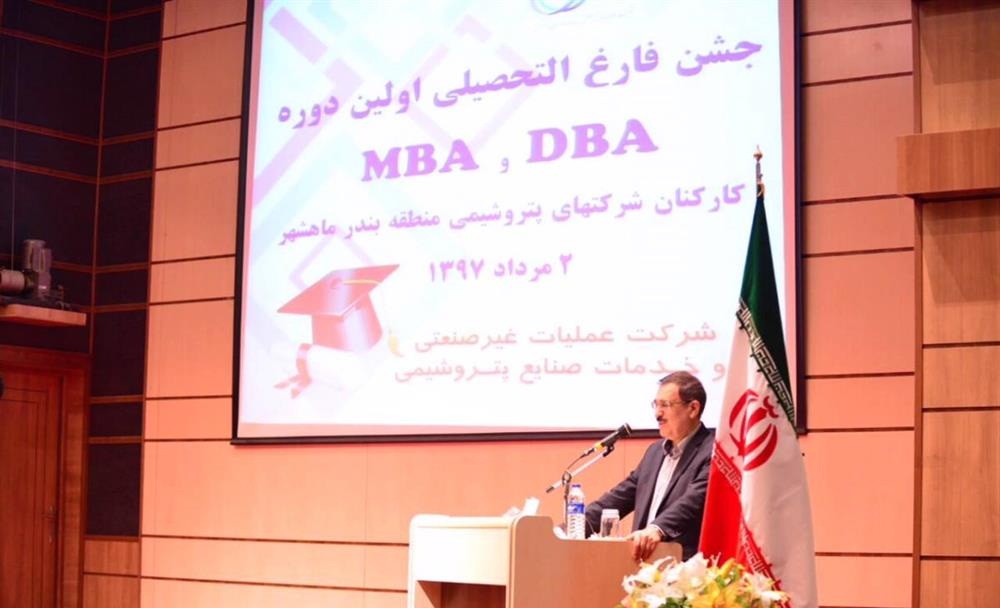

According to the “Nipna News Agency”, the graduation ceremony of the first DBA and MBA course of the Iranian University of Industries and Mines for employees of petrochemical companies in the Bandar Mahshahr region was held yesterday evening in the presence of Reza Norouzzadeh, CEO of the National Petrochemical Industries Company, Beiranvand, Governor of Bandar Mahshahr County, Jafar Rabiei, CEO of the Persian Gulf Holding Company, Vamid Shahidinia, Head of the Special Economic Zone Organization, and managers, professors and graduates.
The goal of learning management science is to find a solution to a problem, and the graduates of this course experienced the culture of succession in an industrial environment. As you know, the main capital of the machine industry is not human resources, but human resources, and successful managers are those who have realized the value and essence of human resources.
The expansion of science education in the country and the education of people will increase the quality of life and interactions of people. We hope that with the help of this educated and efficient human resource, the industry will be guided towards excellence.
This course was held for the first time in Mahshahr with our cooperation in administrative and support affairs and the university for course content and inviting professors, and 28 people graduated at the master’s and doctoral levels.
He stated that the goals of the course were effective management of industry complexes, design, guidance and leadership of transformation in organizations after privatization, the ability to understand trends and plan for future management, familiarity with the global business environment, familiarity with the challenges facing the petrochemical industry, the ability to have a strategic perspective and improve the system, improve social and communication skills, and a new leadership approach.
In the end, the first to third place winners of the MBA and DBA courses, as well as Alireza Alavi Tabar, one of the university’s prominent professors, were also honored.

According to the “Nippon News Agency”, quoted by Platts, informed sources said:
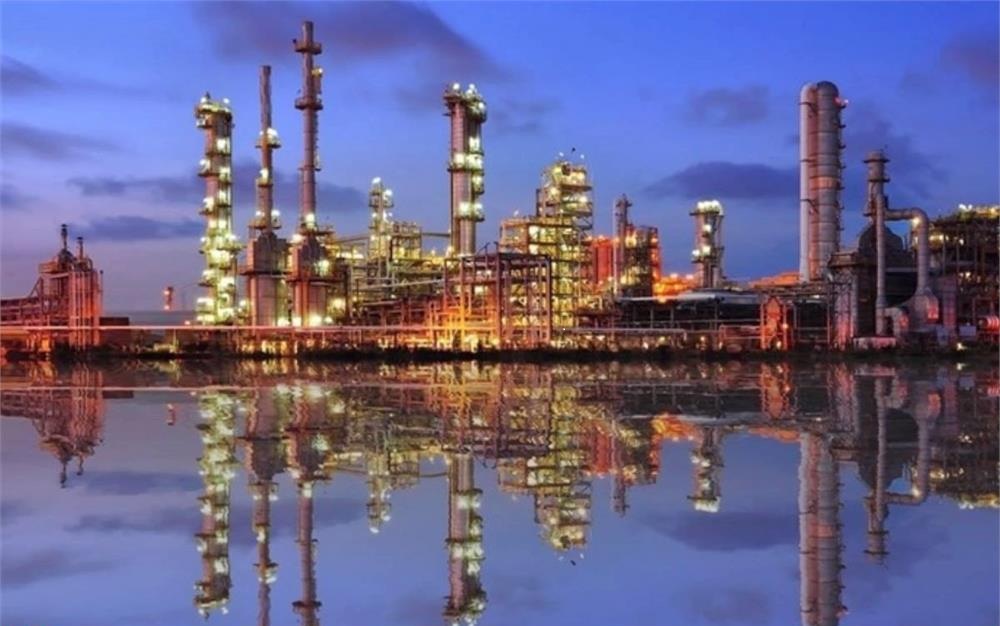
China’s Jiutai Energy plans to launch its coal-based heavy polyethylene/light polyethylene linear production complex with a production capacity of 250,000 tons per year and a polypropylene production unit with a capacity of 350,000 tons per year in Ordos, China, in the Inner Mongolia region of the country.
Market sources predict that the full commissioning and start-up of the said complex will take until early 2019.
This is a common issue for all polymer production units and generally requires some time before starting up.
The Chinese company currently operates a polyethylene production complex with a capacity of 250,000 tons per year.
It also has a coal-based methanol production unit with a capacity of 1 million tons per year and a dimethyl ether production facility with a capacity of 100,000 tons per year on the same site.
China’s rich coal resources have encouraged many of the country’s chemical and petrochemical manufacturers to significantly reduce their need for other types of feedstock by utilizing this feedstock.
After obtaining an operating license from the Industries and Mines Organization of Guilan Province, Ethylene Pipe Company increased its quota in several stages by increasing production lines and sizes and is currently continuing to produce polyethylene pipes with a nominal capacity of 14,000 tons per year.
After the polyethylene standard was made mandatory by the Standards Institute in 1976, Ethylene Pipe Company obtained the standard license and since then has been able to renew its license without any defects in the General Directorate of Standards of Guilan every year by observing the rules and regulations.
In 2006, Ethylene Pipe Company was able to obtain the aforementioned certificate from the IEC Institute of England by implementing the rules and regulations of the quality management system and has been able to pass the audits without any defects every year. In 2008, this company also obtained the 2008 edition by implementing the ISO9001 conditions.
In 2006, Pipe Ethylene Company was able to obtain the aforementioned certificate from the American ICR Institute by implementing the regulations and guidelines of the environmental management system and took the necessary measures to preserve and maintain the environment on its own behalf.
In 2007, 2008, Pipe Ethylene Company was selected as a model unit of the province by the General Directorate of Standards of Guilan after reviewing the company’s documents and conditions in terms of quality improvements.
In 2007, Pipe Ethylene Company obtained the Partner Laboratory Certificate for single-wall polyethylene pipes from the General Directorate of Standards of Guilan on 14/01/90 after implementing the ISO 17025 documents.
After completing its laboratory, this company was able to obtain a partner laboratory certificate for P.V.C – u pipes, polypropylene pipes, single-wall polyethylene, and double-wall polyethylene from the General Directorate of Standards on 01/14/90.