



The spokesman for the Energy Commission of the Parliament explained the meeting of his committee on examining the transfer of foreign exchange from the sale of petrochemical products.
In explaining the meeting of the Energy Commission of the Islamic Consultative Assembly on Sunday, Asadollah Qarakhani said: A report has been prepared on the method of transferring the Kermanshah refinery, and a number of representatives have raised questions about this report and believe that this report should be more complete and its hidden aspects should be clarified.
The spokesman for the Energy Commission of the Islamic Consultative Assembly added: It was decided to refer a complete and comprehensive report to the public forum so that if there is to be a comment from representatives, a decision can be made after clarifying all aspects.
Petrochemicals stated that they have foreign exchange debts
Stating that the second agenda of the committee was about the transfer of foreign exchange from the sale of petrochemical products, he continued: There were buts and ifs regarding the transfer of foreign exchange, and officials from Persian Gulf Holding, Tapico and Ghadir were invited to today’s meeting of the committee and stated that since there was no clear policy at the beginning, it was not possible to take action.
People’s Representative Ali Abadkatul in the Islamic Consultative Assembly stated: Petrochemical managers stated that since the Central Bank’s directive was specified and determined that petrochemical currency should be placed in the NIMA system, based on initial estimates, the currency has been completely transferred to the NIMA system.
The spokesman for the Energy Commission of the Islamic Consultative Assembly stated that petrochemical companies stated that they had expenses in the field of export and return of currency and had foreign currency debts, and clarified: In this meeting, petrochemical companies raised their problems and stated that the desired currency should be taken into account for the purchase of products and equipment.
Source: Khaneh Mellat
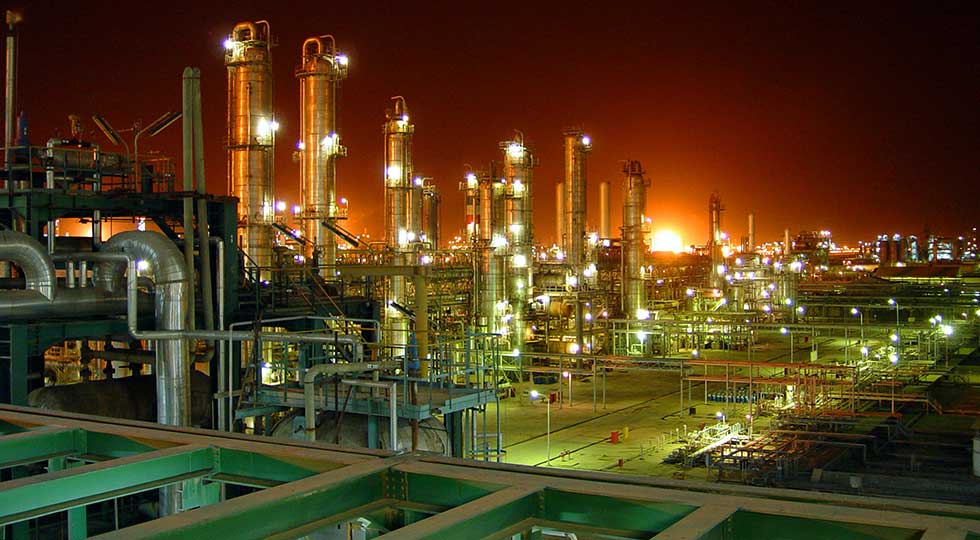
According to the Fars News Agency’s economic correspondent, as the countdown to the imposition of illegal US sanctions began and delegations from Saudi Arabia’s SABIC traveled to countries that purchase petrochemical and polymer products to stop buying from Iran, the petrochemical industry found a new trump card to counter the sanctions.
One of the most important tactics for countering sanctions in the petrochemical market is to diversify the production portfolio of polymer products, so that the more diverse products are produced and supplied in the petrochemical industry, the more bargaining power for marketing, selling, and exporting products increases.
In this regard, for the first time in Iran’s petrochemical industry, by breaking the monopoly of some European and American companies, including the Italian company Versalis, it has become possible to produce 13 new grades of polymer products. By producing these products, in addition to meeting the needs of domestic complementary industries and obtaining greater added value, it has also provided the basis for developing export markets.
Accordingly, thanks to the efforts of Iranian experts and the acquisition of local technical knowledge, it has been possible to produce 13 new and exclusive grades of polymer products with linear light polyethylene, heavy polyethylene and polypropylene feedstock in the country’s petrochemical industry.
Strategic and special grades such as three-layer film grades, rotational molding, yarn and fibers, three types of grades for drip irrigation and high-transparency film grades, bumper and car tank grades have been provided at Jam Petrochemical Company.
Seyed Hossein Mirafazli, CEO of Jam Petrochemical Company, referring to the design and production of 13 new grades of polymer products, said: By designing and producing these 13 grades of petrochemical products, the country’s petrochemical industry has gained an added value equivalent to $50 million per year, which if the value chain of these products is completed in the petrochemical complementary industries, a total of $100 million in added value will be achieved annually.
MD-35504 grade polyethylene for the production of water and chemical tanks, MD-3510 polyethylene for the production of drip irrigation tapes, MD-3520 grade polyethylene with for the production of plaque drip irrigation tapes, multilayer films and polyethylene sheets, LL-235F6 grade linear light polyethylene for the production of drip irrigation tapes, packaging, multilayer and agricultural films, LL-235F7 grade linear light polyethylene for the production of polyethylene films and laminated packaging, LL-HP-18XF5 grade polyethylene film and food packaging grade, CC-52502 grade bottle caps, HD-5000S grade heavy polyethylene for the production of monofilament fibers, heavy polyethylene tank grade for the production of car tanks and PP EP3130UV grade polypropylene for the production of car bumpers are new products entering the production basket of the country’s petrochemical industry. They are leaving.

* Iran is ready to produce 13 new petrochemical products to Europe
According to Fars, the most important advantage of producing new polymer products at Jam Petrochemical, along with diversifying the production portfolio, is exporting to new European and Asian markets, so that for the first time Iran is ready to export 13 new polymer products to Asian markets, especially European ones.
Saeed Shirdel, Commercial Director of Jam Petrochemical, stated that the hourly production capacity of more than 1,060 tons of new polymer products has been provided in this petrochemical complex, and said: With the needs assessment, 40 percent of the new products produced will be sold in the domestic market and the rest will be sent to export markets.
The official mentioned Europe as one of the markets where it is possible to export Iran’s new polymer products, and stated: In addition to Europe, countries in the Middle and Central Asia, the Caucasus, Russia, Turkey, India and China are also among the buyer markets of these strategic polymer products.
The production and export of new polymer products in the petrochemical industry, especially on the eve of the return of sanctions and occasional conspiracies by Saudi Arabia in the Iranian oil and petrochemical market, can certainly increase the bargaining power and resilience of the petrochemical industry in the difficult conditions of sanctions.
* Operation of Iran’s first ABS park with the participation of Italians
Along with the production of 13 grades of new polymer products, the country’s first park for the production of rubber and ABS chain products in the petrochemical industry is also ready for operation.
Hossein Safari, Head of International Affairs of Jam Petrochemical, stated that Jam Petrochemical’s rubber production complex is the first and only producer of three SBS, SB and LCBR products in seven widely used grades in the country’s petrochemical industry, and said: The license for this complex was provided by Versalis Company of Italy and the basic engineering of the design was provided by Technimont Company of Italy.
According to him, this project is designed based on the Batch process and capable of producing a wide range of grades, and according to the schedule, this project will be put into operation by the middle of next year. In addition, Jam Petrochemical’s ABS unit is the first and only producer of ABS with new technology in 9 widely used grades based on market demand, which will be launched this year with the license of Versalis and Italian engineering company Tecnimont.
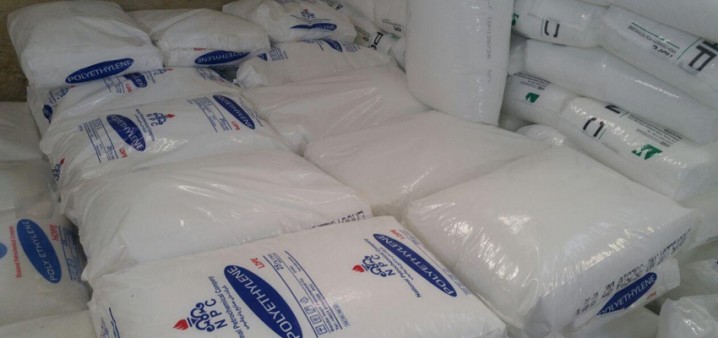
The polymer market has been in a general downward trend for nearly 4 weeks, but there have also been important spurts of price growth. This situation generally shows that the relative superiority of supply over demand still exists, but the market is susceptible to change. It is not possible to speak explicitly of the superiority of supply over demand for all grades; although there is still a relative inflammation in polypropylene or polyethylene terephthalate grades that can be tracked on the stock exchange and in the market.
The increase in the trading volume of chemical products and polymers on the commodity exchange, along with the decrease in base prices and the decline in the polymer price index, all indicate the creation of a better environment for consumers in the downstream industries to expand the volume of their production activities. Of course, the decline in raw material prices can limit part of the recession in this market, but the polymer market is still experiencing a relatively deep recession, which is exacerbated by price fluctuations and the ups and downs of supply volume on the stock exchange. Now that prices are declining, we are witnessing an increase in supply volume on the commodity exchange, although it is late and has its own ifs and buts. The nature of the decline in prices and the growth in supply volume may be able to balance some of the difficulties of the recession in the petrochemical industry, and of course, the continued decline in rates means a reduction in concerns about inflationary stagnation, although it requires a reduction in rates and continuous supply in the market, while also providing space for using export markets in regional countries.

Peeling off the skin in the polymer market
In previous reports, we mentioned the visible or hidden events in the polymer market and the possibility of stagflation was also mentioned. Stagflation occurs when there is both weak production and effective demand for final products in the petrochemical downstream industries, and we also witness price growth and an increase in the price of finished products, and of course, an increase in the price of raw materials. Until the past few weeks, statistics indicated a serious increase in the price of finished products on the commodity exchange and the free market, which alone was sufficient for the growth of finished product prices. Although we witnessed a decrease in effective demand and relative weakness in these industries, it now seems that the conditions have adjusted slightly. On the one hand, prices on both the commodity exchange and the market have entered a phase of relative decline, and of course, this downward trend may continue along the path of basic prices. This is while the inventory is relatively high and this data itself is an important reason for the lack of serious growth in the volume of transactions on the commodity exchange, especially in a situation where the purchase price of these shipments is extremely diverse and from this perspective, it can only be said that the market does not have the previous ability to grow prices due to the relatively high volume of supplies and the decrease in base prices on the commodity exchange.
On the other hand, the fragile sparks of growth in the volume of polymer transactions on the commodity exchange will also be another data that can support the strengthening of the production process in this market. Now, in a situation where there is a potential for price declines in global markets and the secondary foreign exchange market does not have much potential for rate increases, perhaps the mentality of reducing official prices is not far from the mind. On the other hand, the volume of polymer transactions on the commodity exchange has not yet appeared strong, and it cannot be said that the complementary industries have come out of recession in the current situation, and even the secondary data in the market highlights this concern. On the other hand, strengthening the volume of transactions in the chemical products market means strengthening the production process, which itself will be an introduction to a better outlook for the market and complementary industries.
Considering these cases, it can be said that the volume of concerns in the polymer market is weakening, meaning that the fear of stagflation, which is considered one of the most difficult economic periods, is not as strong as before, and perhaps with the reduction in prices, we will witness a strengthening of the volume of production and consumption of polymer products. On the other hand, the export restrictions are still continuing as before, and perhaps this situation will be better for the end consumer in Iran. Considering the above, the very harsh outlook from the past has been slightly adjusted, and if we witness an increase in the volume of polymer and chemical products transactions on the commodity exchange, it is likely that this difficult hurdle will be overcome; It will be easier. But now the prices are very high and the acceptance of this rate in the market will take time and does not rule out the possibility of a deeper recession.
Improvement in the volume of polymer trading on the commodity exchange
Last week, we witnessed an increase in the volume of polymer trading on the commodity exchange, to the point where a growth of nearly 17 percent was recorded compared to the previous week. More precisely, in the previous week, nearly 50 thousand tons of various polymers were traded, and the most important reason for this growth should be sought in the strengthening of the volume of supplies. Last week, we witnessed a 30 percent increase in supplies, which is an important figure and led to more than 78 thousand tons of supply being recorded in the physical hall of the commodity exchange. This supply figure is one of the highest figures in the history of the commodity exchange and is also the highest supply figure since the week ending May 13. These figures should be taken very seriously, especially in a situation where we are witnessing a decrease in base prices on the commodity exchange, meaning that the attractiveness of supply must be reduced unconsciously. On the other hand, the demand volume grew by nearly 25 percent, which shows that the strengthening of supply has been faster than the strengthening of demand.
This situation means that large supplier companies have become more inclined to supply than the growth of buyer demand. This can also be calculated and examined in this way, that is, in a situation where global prices are decreasing and the dollar rate in the NIMA system is also decreasing; more supply means selling at higher prices, so domestic supply is more justified. On the other hand, there is the issue of international strictness and a decrease in global prices, both of which reduce the attractiveness of exports, so the importance of selling on the commodity exchange and even supporting domestic industries is strengthened. On the other hand, the high inventory of petrochemical companies also poses problems for production conditions, so it is better to sell the shipments in any way possible.
If the above is true, it is better to ask the supplying companies that played a role in the IFA commodity exchange more than other periods last week why they did not play a better role in the market with maximum supply in the previous week, when the supply volume was nearly 18 thousand tons less than the previous week and of course the prices were recorded 8% higher on average? It seems that some large companies are having trouble even determining their own interests and are causing losses to themselves and throwing the market out of balance by miscalculating. It seems that the growth in supplies is accompanied by weak demand in the polymer market and has caused many large companies problems in the sales phase. As a specific example, last week, nearly 64 percent of the polymer supply was traded, which was a record close to 100 percent in late September.
Even in previous weeks and with higher base prices, this figure had never fallen below 70 percent, but last week saw the lowest percentage of purchases since late last year, and many supplies entered matching. It is better
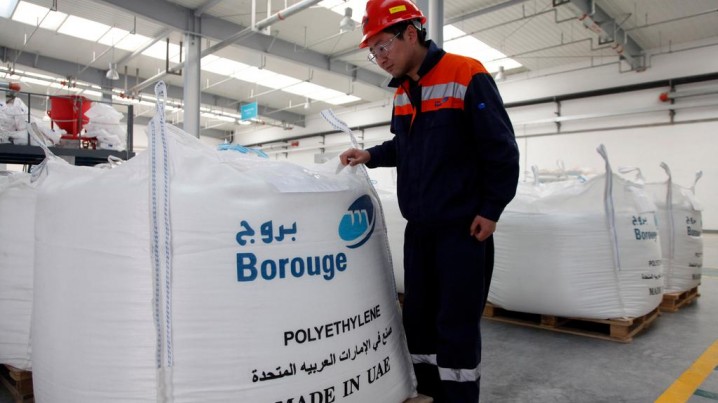

Borealis and Borouge have announced the launch of a new family of packaging grade linear lightweight polyethylenes, Anteo. The grade offers the global packaging market with benefits such as lower extrusion pressure processing, better sealing integrity and higher puncture resistance.
The two companies have launched the new family of linear lightweight polyethylenes internationally simultaneously in three different cities: Abu Dhabi, UAE; Shanghai, China; and Linz, Austria. This marks the first time in the history of the Borealis-Borouge partnership that a joint product developed in one single location has been launched internationally.
Anteo is also produced using Borealis’ proprietary technology, BBT (Borstar Bimodal Terpolymer). The technology combines smart catalyst design with a two-reactor system and two comonomers.
“This is not a typical product,” said Maurits van Tal, Borealis’ senior vice president of innovation and technology. “This is a breakthrough in molecular engineering, a technology that is not currently available from any other manufacturer.”
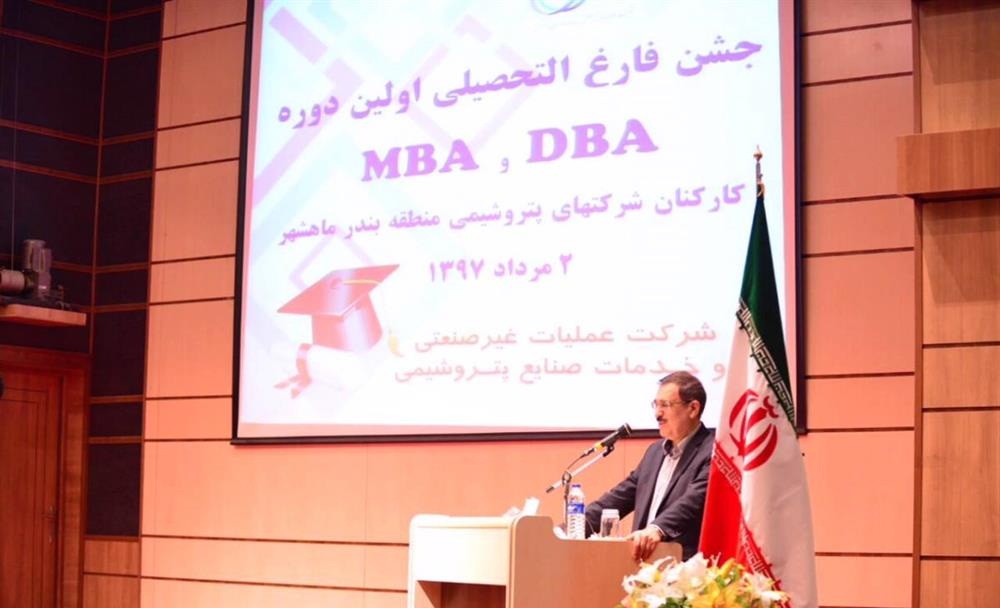

According to the “Nipna News Agency”, the graduation ceremony of the first DBA and MBA course of the Iranian University of Industries and Mines for employees of petrochemical companies in the Bandar Mahshahr region was held yesterday evening in the presence of Reza Norouzzadeh, CEO of the National Petrochemical Industries Company, Beiranvand, Governor of Bandar Mahshahr County, Jafar Rabiei, CEO of the Persian Gulf Holding Company, Vamid Shahidinia, Head of the Special Economic Zone Organization, and managers, professors and graduates.
The goal of learning management science is to find a solution to a problem, and the graduates of this course experienced the culture of succession in an industrial environment. As you know, the main capital of the machine industry is not human resources, but human resources, and successful managers are those who have realized the value and essence of human resources.
The expansion of science education in the country and the education of people will increase the quality of life and interactions of people. We hope that with the help of this educated and efficient human resource, the industry will be guided towards excellence.
This course was held for the first time in Mahshahr with our cooperation in administrative and support affairs and the university for course content and inviting professors, and 28 people graduated at the master’s and doctoral levels.
He stated that the goals of the course were effective management of industry complexes, design, guidance and leadership of transformation in organizations after privatization, the ability to understand trends and plan for future management, familiarity with the global business environment, familiarity with the challenges facing the petrochemical industry, the ability to have a strategic perspective and improve the system, improve social and communication skills, and a new leadership approach.
In the end, the first to third place winners of the MBA and DBA courses, as well as Alireza Alavi Tabar, one of the university’s prominent professors, were also honored.

According to the “Nippon News Agency”, quoted by Platts, informed sources said:
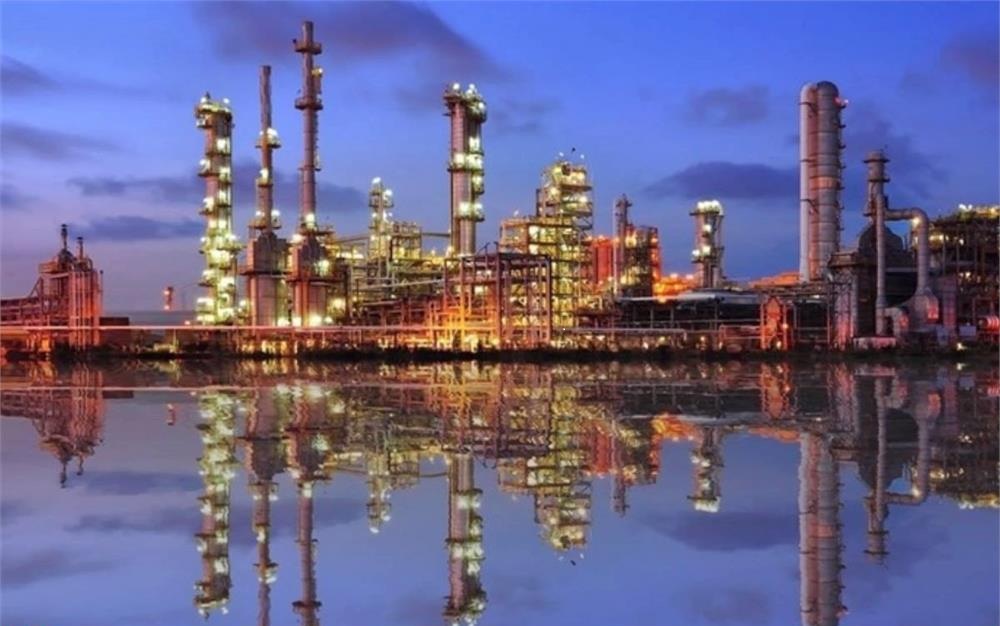
China’s Jiutai Energy plans to launch its coal-based heavy polyethylene/light polyethylene linear production complex with a production capacity of 250,000 tons per year and a polypropylene production unit with a capacity of 350,000 tons per year in Ordos, China, in the Inner Mongolia region of the country.
Market sources predict that the full commissioning and start-up of the said complex will take until early 2019.
This is a common issue for all polymer production units and generally requires some time before starting up.
The Chinese company currently operates a polyethylene production complex with a capacity of 250,000 tons per year.
It also has a coal-based methanol production unit with a capacity of 1 million tons per year and a dimethyl ether production facility with a capacity of 100,000 tons per year on the same site.
China’s rich coal resources have encouraged many of the country’s chemical and petrochemical manufacturers to significantly reduce their need for other types of feedstock by utilizing this feedstock.
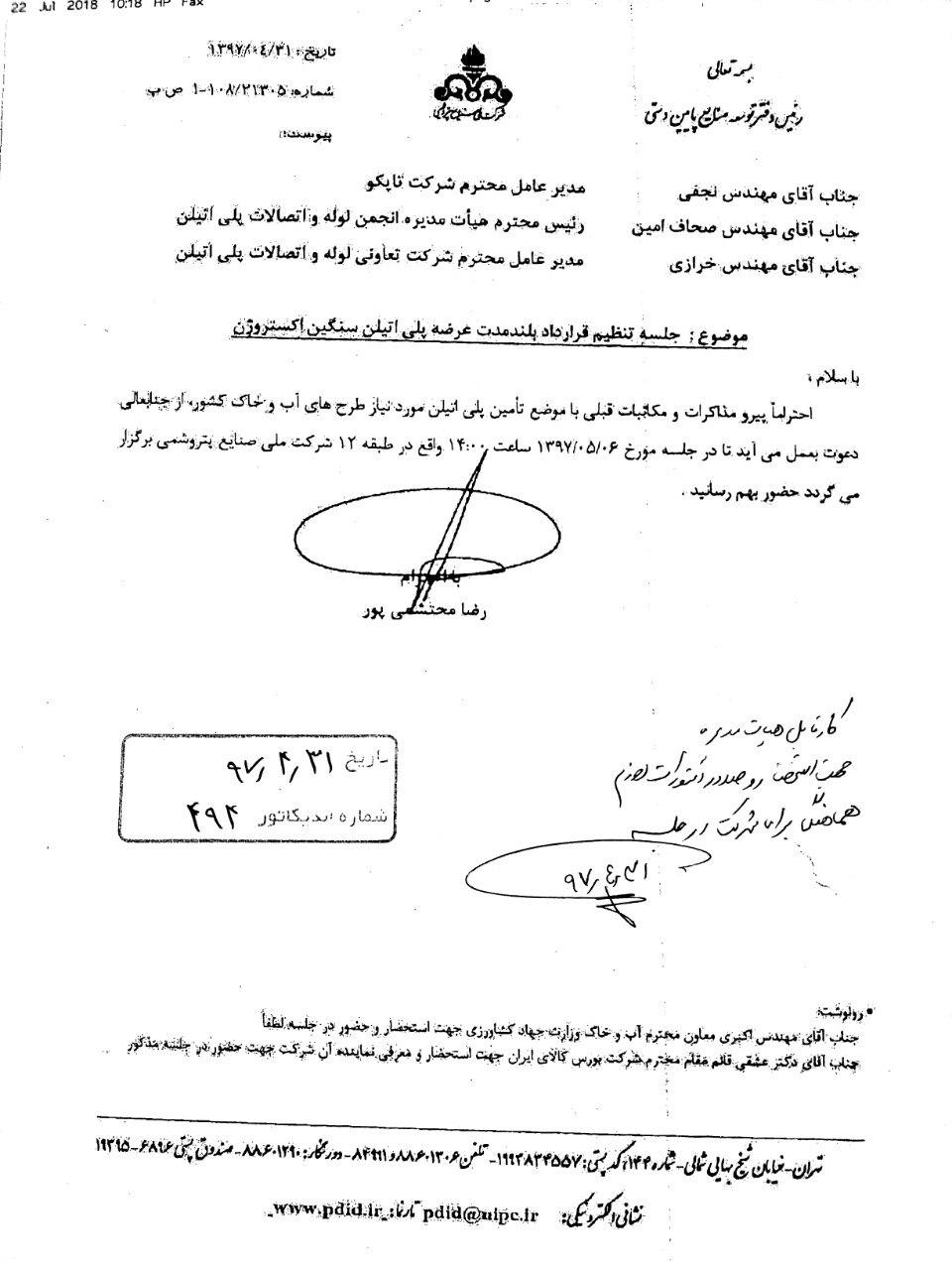
The members of the Association of Polyethylene Pipe and Fitting Manufacturers can inform the Association in writing of the amount of their annual consumables that they purchase from Jam Petrochemical by the end of office hours on Tuesday, 05/02/97.
Following the letter No. 21305/ 108-1 S. B dated 04/31/97 regarding the preparation of a long-term contract for the purchase of pipe grade raw materials from Jam Petrochemical, the Association requests all its members to inform the Association office in writing of the amount of their annual consumables that they purchase from Jam Petrochemical, taking into account the supply of raw materials from other petrochemicals, including Shazand, Maroon, Amirkabir and Ilam.
